Africa

As I journey through the vibrant tapestry of Afro-Brazilian culture, I find myself captivated by the resilience and creativity that have shaped its culinary landscape. Afro-Brazilian cuisine, deeply rooted in the African diaspora, tells a story of survival and adaptation, where food becomes a testament to the enduring spirit of a community that has weathered the storms of history.
Exploring the African roots of Brazil’s culinary landscape takes us back to a time when the transatlantic slave trade brought millions of Africans to Brazil. Despite the unimaginable hardships, these individuals carried with them the flavors and cooking traditions of their homeland, which have since become integral to Brazilian cuisine. The impact of this cultural exchange is most evident in the rich and diverse flavors that define Afro-Brazilian dishes. From the earthy undertones of black beans to the vibrant hues of palm oil (dendê), each ingredient tells a story of its own.
Key Regions to Highlight

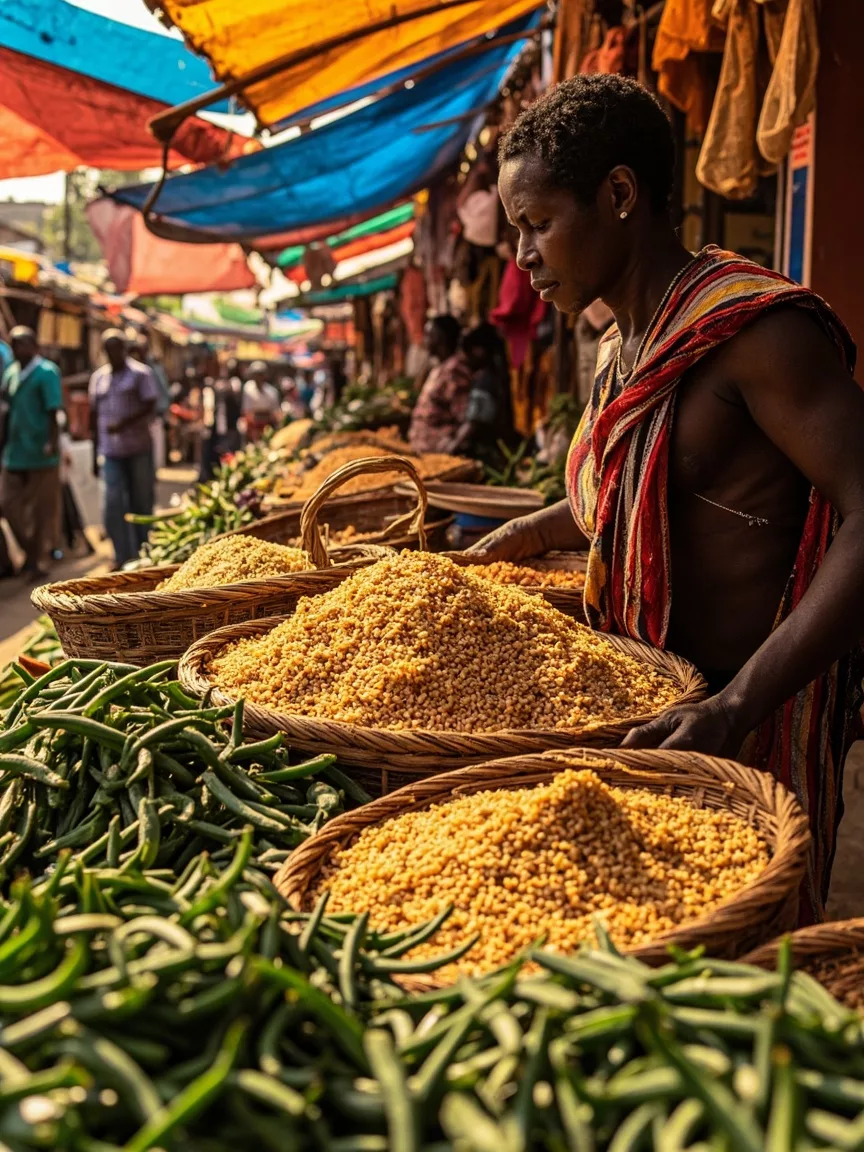
Bahia, a state in northeastern Brazil, is a cultural epicenter that showcases the profound influence of African heritage. Here, the culinary landscape is painted with the bold colors and flavors of key plant foods like cassava, okra, and black beans. These ingredients are not just staples; they are symbols of the Afro-Brazilian identity.
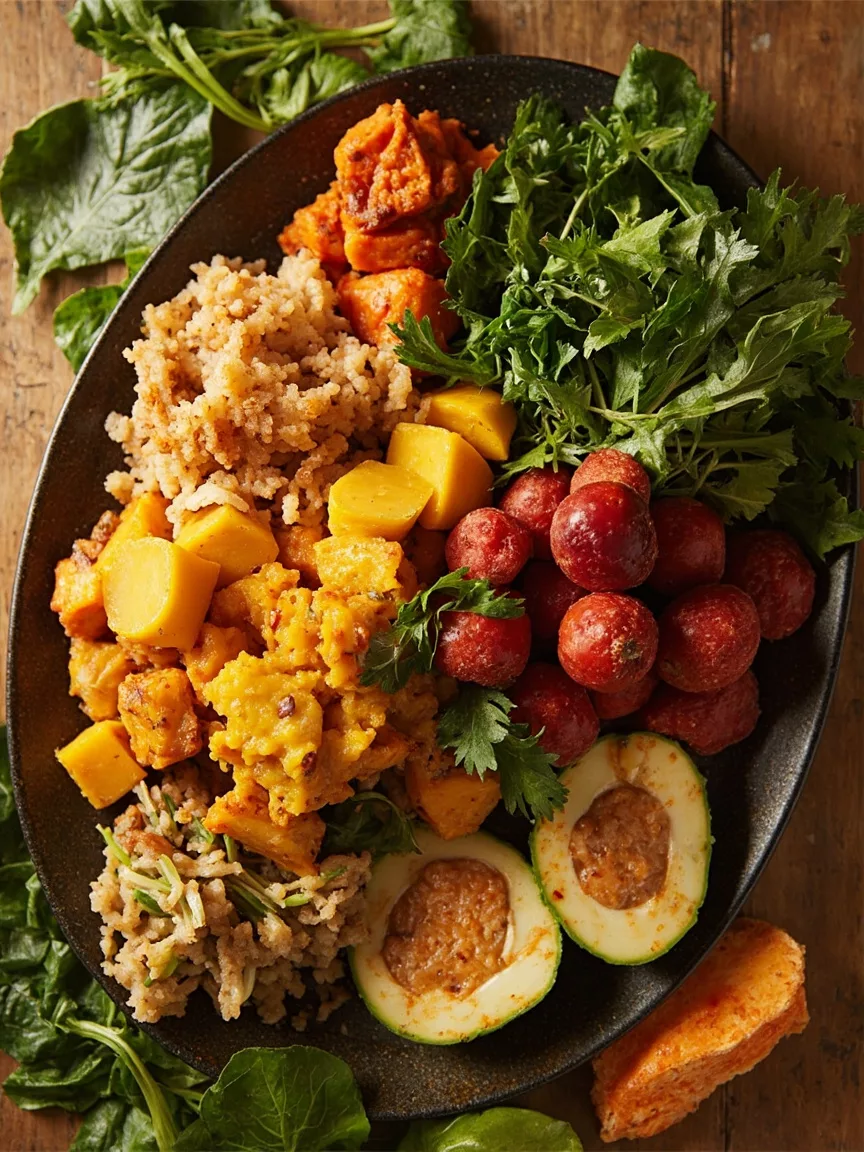
Cassava, for instance, is a versatile root vegetable that has been a dietary cornerstone for centuries. In Bahia, it’s often transformed into farofa, a toasted cassava flour dish that is both simple and delicious. The use of palm oil, with its rich, golden hue, adds an unmistakable depth to dishes, while okra, with its unique texture, brings a touch of home to every meal. Together, these ingredients form the backbone of Afro-Brazilian cuisine, offering a taste of history with every bite.
Vegan-Friendly Dishes
For those of us embracing a plant-based lifestyle, Afro-Brazilian cuisine offers a treasure trove of vegan-friendly delights. Take feijão, for example. This classic bean dish is a staple on Brazilian tables, and when paired with rice, it becomes a complete and satisfying meal. The simplicity of rice and beans belies their cultural significance, representing unity and sustenance.
Another must-try is the moqueca-style vegetable stew, a vibrant medley of vegetables simmered in coconut milk and palm oil. This dish captures the essence of Bahia’s coastal flavors, offering a deliciously creamy and fragrant experience. And let’s not forget farofa, with its crunchy texture and nutty flavor, adding a delightful contrast to any meal.
Spiritual & Cultural Notes

In Afro-Brazilian culture, food is more than sustenance; it is a bridge to the spiritual world. The religion of Candomblé, with its rich tapestry of African deities and rituals, often incorporates food as a form of worship. Here, cooking becomes a sacred act, a way to honor ancestors and preserve their legacy.
Each dish prepared is a tribute to resilience and memory, a reminder of the community’s ability to adapt and thrive despite adversity. The act of cooking itself is a ritual, a dance of flavors that connects the present with the past, weaving together the stories of those who came before.
As I reflect on the Afro-Brazilian plant foods that have become a living history, I am reminded of the power of culture to endure even when everything else is taken away. These culinary traditions are more than just recipes; they are a testament to the human spirit, a celebration of the resilience and creativity that define the Afro-Brazilian community.
In honoring these traditions, we not only pay homage to the past but also ensure that these vibrant flavors continue to inspire and nourish future generations. So, as you explore the rich tapestry of Afro-Brazilian cuisine, may you find not just a meal, but a story of resilience, connection, and hope.
As a vegan chef, exploring these cuisines is a reminder that plant-based cooking has always been rooted in culture, creativity, and care — long before it had a name.