Food
Food 
There’s a specific kind of magic that happens in my tiny NYC kitchen just as the sun starts to hit the fire escape. Usually, I’m mid-stretch in a yoga pose, listening to some old-school hip hop, while Zelda is curled up on her favorite rug letting out those rhythmic little Boston Terrier snores. As I transition out of a downward dog, my eyes always wander to the ceramic bowl on my counter—the one my dad, Edward, hand-turned for me in his woodshop back in Ohio. It’s always piled high with lemons. To some, they’re just a garnish, but to me, they are the golden thread that connects my travels in Sicily to the hustle and heart of Manhattan.

When I was backpacking through Italy, trying to trace the roots of the Mediterranean influence I’d seen in so many fusion dishes, I remember standing in a sun-drenched grove in Sicily. The air was thick with the scent of citrus and sea salt. I watched an old woman peel a lemon with such reverence, using the zest to brighten a simple dish of local greens. It hit me then: lemon isn’t just a fruit; it’s a tool for transformation. It’s the ingredient that bridges the gap between a dish that’s “good” and one that truly vibrates with life. Whether I’m channeling my Japanese heritage or thinking about the bold flavors of my father’s Jamaican roots, a squeeze of lemon is the universal language of “wake up.”
The Alchemy of the Bright Side
In the world of vegan cooking, we often talk about “weight.” Without dairy or heavy animal fats, plant-based dishes can sometimes feel like they’re missing a middle note. You’ve got your base (the grains or veggies) and your top notes (the spices), but how do you make them sing together? That’s where acidity comes in. It’s the ultimate balancing act. I’ve learned that when a soup tastes a little flat or a lentil stew feels too “earthy,” the answer usually isn’t more salt—it’s a hit of acid.
Lemon juice acts as a natural flavor enhancer, cutting through the richness of avocado or the creaminess of a cashew-based sauce. It’s about creating a profile that feels intentional and layered. When I video chat with my brother Naveen, who’s out in LA doing his thing as an esthetician, we always joke that lemon is the “exfoliant” of the culinary world. It strips away the dullness and reveals the brightest version of the ingredients underneath. It’s that sharp, clean edge that makes a vegan risotto feel light instead of heavy, and a simple kale salad feel like a gourmet experience.
Zest, Juice, and the Art of the Infusion
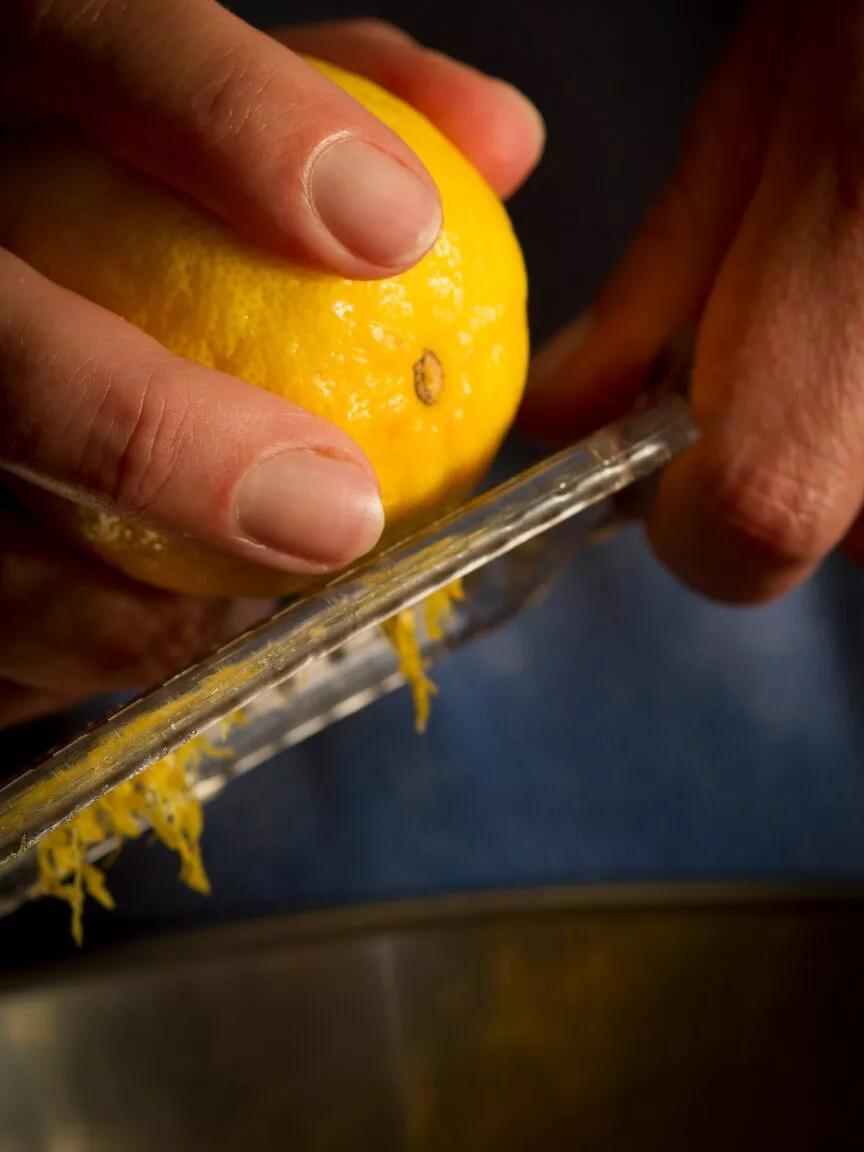
Most people stop at the juice, but if you’re ignoring the zest, you’re missing half the story. The zest holds the essential oils—that concentrated, floral punch that hits your nose before the food even touches your tongue. When I’m working on new recipes for the blog, I use a microplane to shower zest over everything from morning oats to roasted chickpeas. As I grate, I can see the tattoo on my left arm—the one inspired by my Thai grandma’s tea set—and I’m reminded how these small details make the biggest impact. Zest adds a sophisticated, aromatic layer that juice alone can’t achieve. It’s a trick I picked up while exploring the markets in Japan, seeing how citrus peel was used to add a delicate complexity to savory broths.
Lately, I’ve been obsessed with the Mediterranean technique of “frying” lemon slices directly in olive oil. It mellows the bitterness of the pith and turns the fruit into something jammy and concentrated. It’s a total game-changer for pasta. I also love playing with the contrast of lemon and heat—think lemon zest paired with red pepper flakes and plenty of garlic. It’s a vibe that feels both ancient and completely modern, a way to push the boundaries of traditional flavors while keeping things approachable and fresh.
Jade’s “Liquid Gold” Lemon & Garlic Pasta
This is my go-to when I need something fast, comforting, and incredibly vibrant. It’s the dish I make when I’m missing my mom Sandy’s garden or when I just need a bit of sunshine on a gray NYC afternoon. While the water boils, I usually snack on some Hippeas Chickpea Puffs to keep the “hangry” vibes at bay!

Lemon & Garlic Pasta
Ingredients
- 1 lb 454 g spaghetti or linguine (vegan)
- 1/3 cup 80 ml extra virgin olive oil
- 6 cloves garlic thinly sliced
- 1/2 teaspoon red pepper flakes
- 2 large lemons zested and juiced
- 1/4 cup 15 g fresh parsley, chopped
- 1/2 cup 60 g nutritional yeast
- 1/2 cup 120 ml reserved pasta water
- Sea salt to taste
- Black pepper to taste
Instructions
- Bring a large pot of salted water to a boil. Cook the pasta according to package instructions until al dente. Reserve about 1 cup of pasta water, then drain.
- While the pasta cooks, heat the olive oil in a large skillet over medium-low heat. Add the sliced garlic and red pepper flakes. Sauté gently for 3–4 minutes until the garlic is golden and fragrant (do not burn).
- Stir in the lemon zest and cook for 30 seconds to release the aroma.
- Add the cooked pasta directly to the skillet. Pour in the lemon juice and sprinkle in the nutritional yeast.
- Gradually add the reserved pasta water, about 1/4 cup at a time, tossing continuously until a silky, emulsified sauce forms and coats the pasta.
- Stir in the chopped parsley. Season with sea salt and freshly cracked black pepper.
- Serve immediately with extra lemon zest on top if desired.
Notes
Nutrition
The Ritual of the Yellow Bowl
There’s a reason I keep a bowl of lemons front and center on my counter, right next to my favorite tube of red lipstick and a photo of Zelda during our time in Berlin. It’s a visual reminder to stay creative. In the rush of city life—running between the subway, the yoga studio, and the kitchen—it’s easy to let cooking become a chore. But seeing those bright yellow spheres reminds me of the sun-drenched groves and the history behind every ingredient I use.
Keeping lemons on hand is the simplest way to spark joy in your daily routine. They’re a promise of potential. They tell me that no matter how empty the fridge looks, I’m only a squeeze away from a meal that feels like an adventure. So, next time you’re at the market, grab a few more than you think you need. Let them sit there, looking pretty and smelling like a Sicilian summer, until you’re ready to transform your next meal into something truly extraordinary.
If you enjoyed this recipe or have suggestions on how we can improve it, please leave us a comment below. Also, make sure to check out other dishes I’ve created or stories I’ve written about food culture – here.