Food
Food 

It’s that magical time in NYC where the September air finally loses its humid weight and starts to feel crisp, like a fresh sheet of parchment paper. Down here in the West Village, the farmers’ markets are absolutely exploding with deep, royal purples and vibrant greens. I just got back from a morning walk with Zelda—who, by the way, tried to “rescue” a discarded bagel half near Washington Square Park—and my tote bag is heavy with the most gorgeous, glossy eggplants I’ve seen all year.
Living in the city, I need food that keeps up with my pace. Whether I’m flowing through a sun-drenched yoga session on my fire escape or sprinting to meet a friend for a quick catch-up over old-school vinyl, I need nutrients that don’t weigh me down. Eggplant is my absolute go-to because it’s a total powerhouse disguised as a humble veggie. It’s packed with fiber to keep things moving and loaded with nasunin—that’s the antioxidant in the purple skin that helps protect your brain cells. As someone who’s always juggling a million creative projects for cookingwithjade.com, I need all the brainpower I can get! Plus, it has this incredible “meaty” texture that makes it the undisputed GOAT of plant-based cooking.
The Science of the Sweat
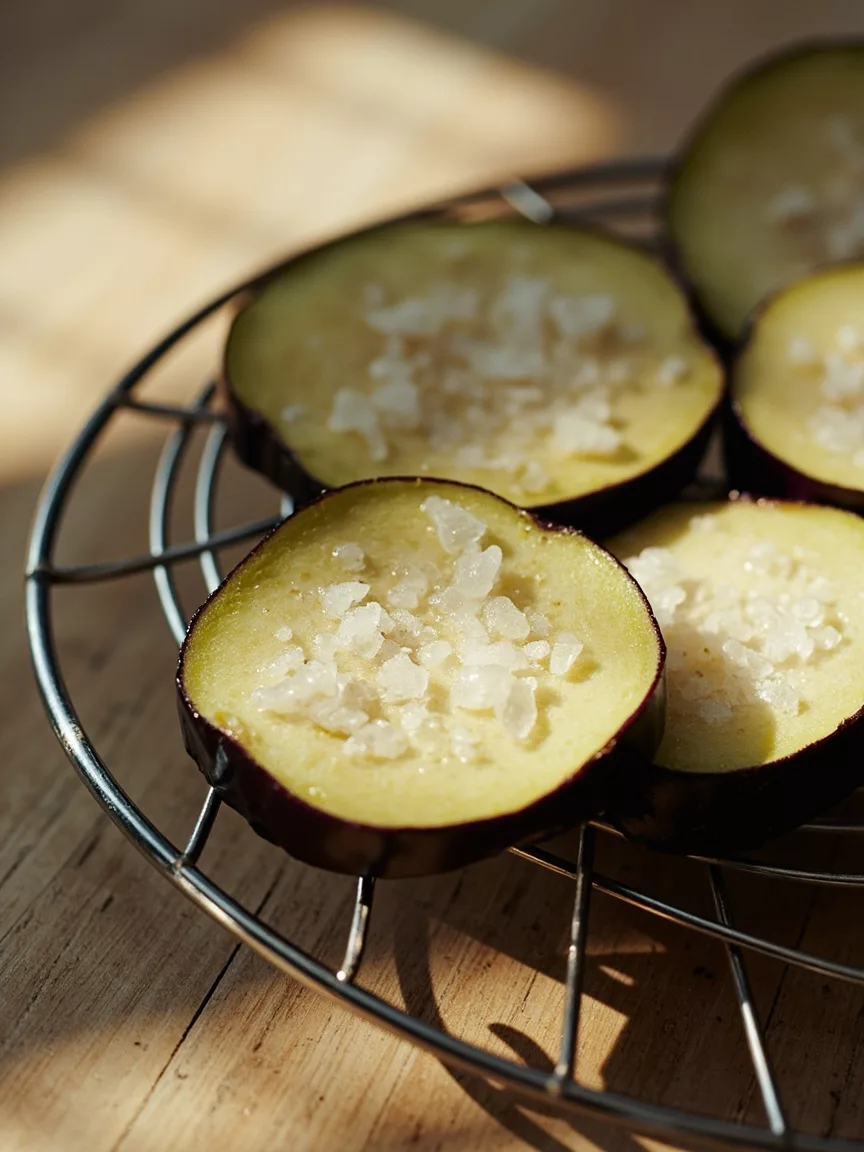
If you’ve ever bitten into an eggplant and thought, “Yikes, that’s bitter,” or “Why is this so spongy?”—don’t worry, I used to feel the same way before I went to culinary school. The secret to unlocking that buttery, melt-in-your-mouth texture is all in the prep. I call it “the sweat.” Because eggplant is basically a giant sponge filled with tiny air pockets and a bit of moisture, you have to draw that bitterness out before it ever hits the pan.
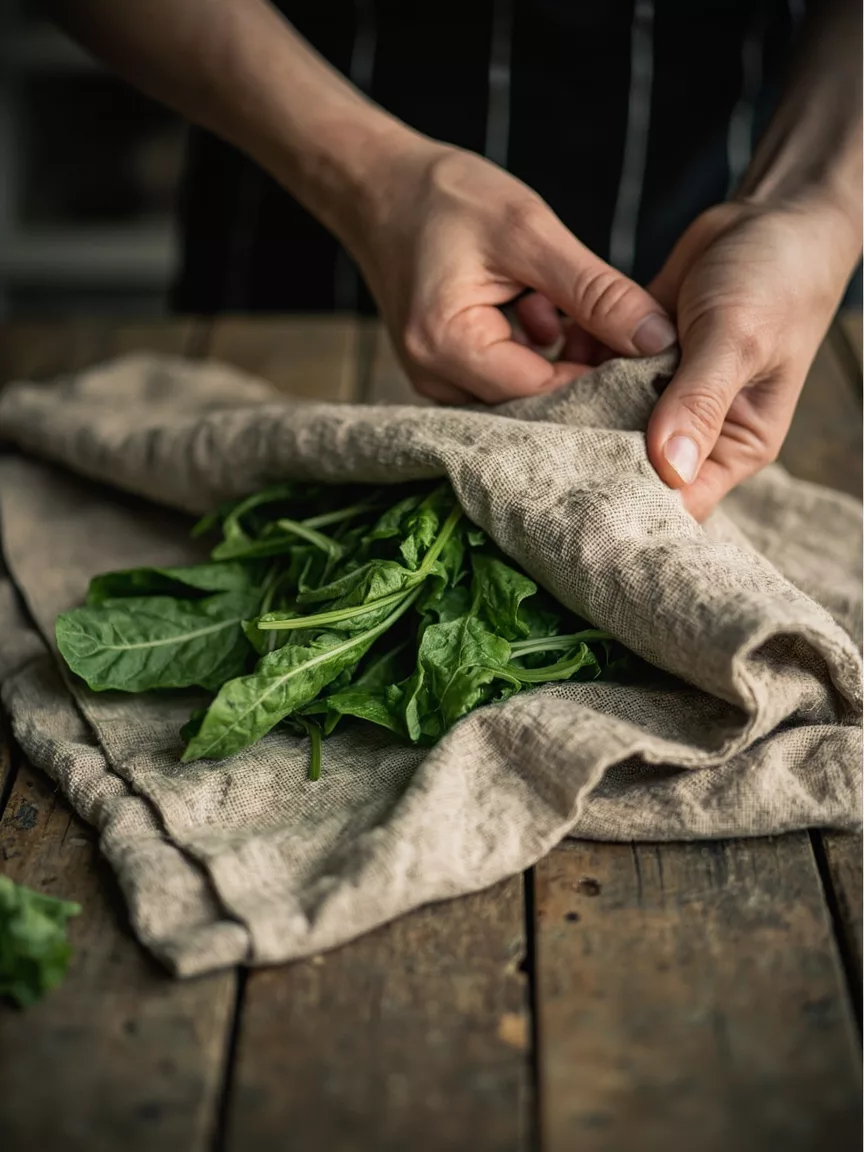
I like to slice mine up—whether into rounds or long planks—and sprinkle them generously with sea salt. Let them sit on a cooling rack for about 30 minutes. You’ll literally see little beads of “sweat” forming on the surface. My dad, Edward, who is a total pro in his woodshop back in Ohio, always says that the best results come from respecting the material you’re working with. Cooking is no different! Once they’ve sweated it out, rinse them under cold water and pat them bone-dry with a clean kitchen towel. This step collapses those air pockets, meaning the eggplant won’t soak up half a gallon of oil when you cook it. It’s a total game-changer for keeping things light and healthy.
ADVERTISEMENT
From Hatsukaichi to Hyderabad
One of the reasons I fell so hard for eggplant is how it acts as a bridge between the different parts of my identity. When I traveled back to Hatsukaichi, Japan, to connect with my roots, I fell in love with the slender, delicate Japanese eggplants. They have thinner skin and a sweeter flesh that just sings when it’s hit with a salty-sweet miso glaze. It’s a flavor profile that feels like home, even though I grew up in the Midwest.
On the flip side, my journey to India to find my Great Grandmother’s history introduced me to the smoky, charred side of this veggie. There’s nothing like Baingan Bharta, where the eggplant is roasted directly over an open flame until the skin is charred and the inside is a smoky puree. It reminded me so much of the soul-stirring depth of the old-school hip hop I blast in my kitchen—layered, complex, and full of history. Every time I look at the tea set tattoo on my arm from my Thai grandma, I’m reminded that food isn’t just fuel; it’s a map of where we’ve been.
Searing for the Soul
To get that perfect, golden-brown char without turning your dinner into an oil slick, you have to be patient. I always use a heavy cast-iron skillet or a high-quality non-stick pan. You want high heat and just a touch of a high-smoke-point oil, like Better Body Foods Avocado Oil. Place the eggplant in the pan and—this is the hard part—leave it alone! Don’t move it for at least 3 to 4 minutes. You want that gorgeous Maillard reaction to happen, creating a crust that seals in the moisture.
Since I’m all about that vegan life, I love finishing my eggplant with bold, umami-packed ingredients instead of heavy creams or cheeses. A splash of tamari, a squeeze of fresh lime, or a drizzle of tahini can take a simple sautéed eggplant and turn it into a five-star meal. If you’re looking for a way to impress your friends (or just treat yourself after a long day), you have to try my favorite way to prepare this purple beauty.
Jade’s “Golden Hour” Miso-Glazed Eggplant
This dish is a tribute to my Japanese heritage and my NYC life—fast, bold, and incredibly satisfying. It uses Japanese eggplants, which are thinner and have fewer seeds than the big globe ones.

- Prep time: 15 minutes (plus 30 mins sweating)
- Cook time: 12 minutes
- Serves: 2
Ingredients:
- 3 medium Japanese eggplants (450g), sliced in half lengthwise
- 1 tsp (6g) sea salt (for sweating)
- 1 tbsp (15ml) Better Body Foods Avocado Oil
- 2 tbsp (36g) white or red miso paste
- 1 tbsp (15ml) Agave In The Raw
- 1 tsp (5ml) toasted sesame oil
- 1 tsp (5g) freshly grated ginger
- 1 tbsp (15ml) rice vinegar
- Optional: Toasted sesame seeds and sliced scallions for garnish
Instructions:
1. Score the flesh of the halved eggplants in a crosshatch pattern, being careful not to cut through the skin. Sprinkle the flesh with the sea salt and let them sit for 30 minutes. Rinse and pat very dry.
2. In a small bowl, whisk together the miso paste, Agave In The Raw, toasted sesame oil, grated ginger, and rice vinegar until smooth. If it’s too thick, add a teaspoon of water.
3. Heat the Better Body Foods Avocado Oil in a large skillet over medium-high heat. Place the eggplants in the pan, cut-side down. Press down slightly with a spatula. Cook for 5-6 minutes until the flesh is deeply golden and softened.
4. Flip the eggplants over so they are skin-side down. Generously brush the miso mixture over the charred flesh.
5. Cover the pan with a lid and cook for another 3-4 minutes on medium-low heat. This allows the steam to finish softening the eggplant while the glaze caramelizes and seeps into those crosshatch scores.
6. Transfer to a plate, sprinkle with sesame seeds and scallions, and serve immediately. It’s incredible over a bowl of fluffy quinoa or just on its own!
I hope this inspires you to grab an eggplant the next time you’re at the market. It’s more than just an emoji, guys—it’s a versatile, nutrient-dense gift to your kitchen! Let me know if you try the recipe by tagging me or leaving a comment below. Stay adventurous!
If you enjoyed this recipe or have suggestions on how we can improve it, please leave us a comment below. Also, make sure to check out other dishes I’ve created or stories I’ve written about food culture – here.