Food
Food 

There’s a specific kind of magic that happens in late September. The NYC air finally loses that aggressive summer humidity and turns into something golden and crisp, right around my birthday on the 21st. Up here on my fire escape, tucked between my potted herbs and Zelda—who is currently sunbathing with her chin resting on my sneaker—I’m looking at a crate of tomatoes I hauled back from the Union Square Greenmarket. They aren’t those perfect, plastic-looking spheres you see in the grocery store in February. These are lumpy, bruised, deep purple, and neon orange. They smell like warm earth and pure potential.
Growing up in Columbus, my mom Sandy transformed our backyard into a horticultural wonderland. While my dad Edward was busy in his shop, Sandy and I would spend hours weeding and talking to the plants. She taught me early on that a tomato isn’t just a fruit; it’s a vessel for the soil it grew in. When I traveled to Sicily after culinary school to trace my roots, I saw that same reverence. In the markets of Palermo, the vendors treat heirlooms like fine jewelry. Whether it’s a dusty garden in Ohio or a sun-drenched piazza in Italy, the tomato is the heartbeat of the kitchen. It’s the ingredient that bridges the gap between my Midwestern upbringing and the global flavors I crave.
To really respect the tomato, you have to understand the “why” behind the variety. I like to think of them like my favorite old-school hip hop tracks—some are smooth and soulful, others are bold and hit you right in the chest. Heirloom tomatoes, like the Brandywine or the Cherokee Purple, are the legends. They’re funky, asymmetrical, and packed with a complex acidity that feels like a history lesson in every bite. I love slicing these thick, hitting them with a pinch of flaky sea salt, and eating them raw. They don’t need a stove; they just need an audience.
Then you have the high-energy snacks: the Cherry and Grape tomatoes. These are my go-to when I’m rushing between a yoga session and a video call with my brother Naveen. He’s always glowing (perks of being an esthetician!), and he swears by the lycopene in these little guys for skin health. They’re literal candy. For a quick lunch, I’ll slice them thin and pile them onto a piece of Wasa Crispbread with a little mashed avocado. If you roast them until they burst, they release this concentrated nectar that creates an instant sauce.
On the other end of the spectrum, we have the “workhorses”—the Roma and San Marzano. These are dense, meaty, and low in moisture, making them the undisputed kings of the slow simmer. If you’re looking to build a sauce that feels like a hug, these are your starting point.
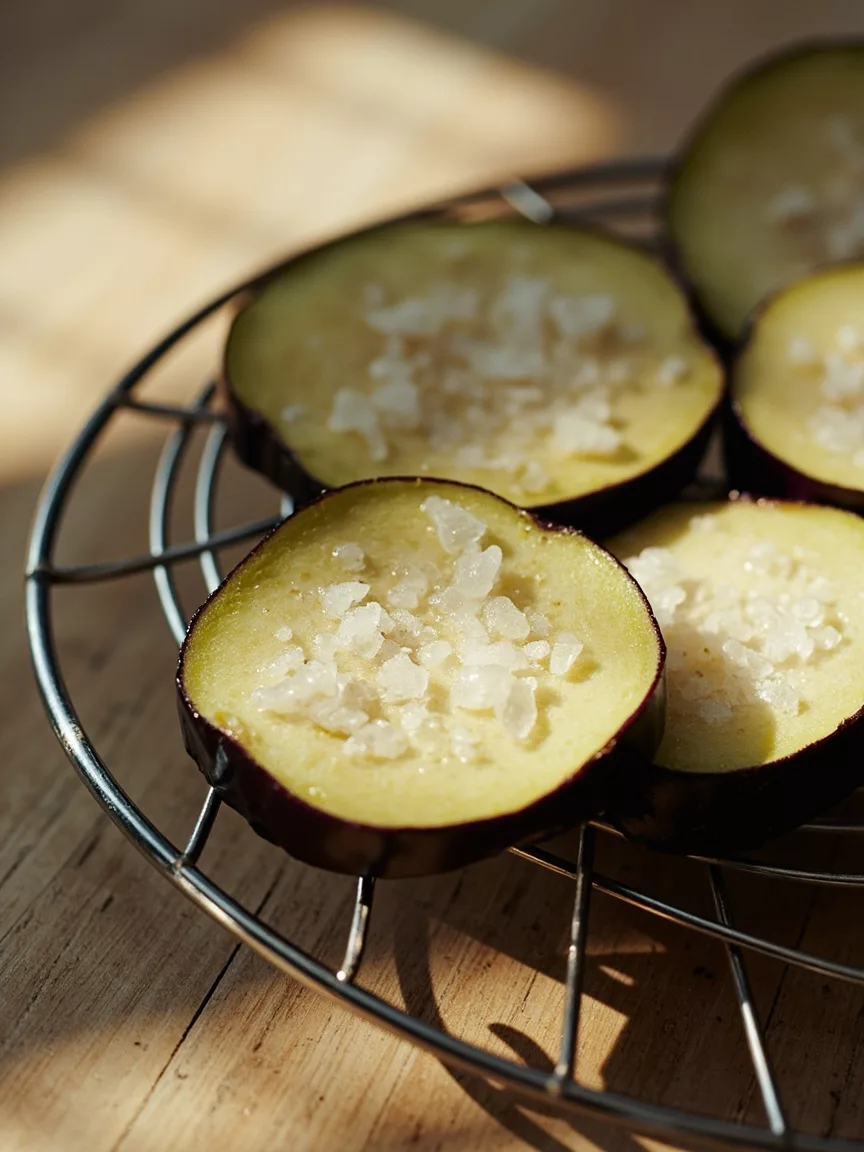
When I’m in the kitchen, I approach tomatoes with a “minimal intervention” mindset. Being a vegan chef, I don’t use heavy creams to hide the produce. I want the tomato to speak for itself. One of my favorite secrets is “The Salt Sweat.” Before I put raw tomatoes in a salad, I salt them in a colander for ten minutes. It draws out the excess water, intensifying the flavor and leaving you with this incredible “tomato water.” Pro tip: save that water! It’s incredible in a savory brunch cocktail with a splash of Hangar 1 Vodka. It’s about intentionality—taking a moment to let the ingredient reach its full potential.

If I’m feeling nostalgic, I’ll swipe on my favorite red lipstick, put on some A Tribe Called Quest, adjust my side braid, and get to roasting. There’s something so meditative about watching the skins char and caramelize. I’ve realized that my journey—from Japan to Ohio to the world and finally here to NYC—is a lot like a good sauce. It’s a mix of different origins, simmered down over time until it’s something rich and unique.
The “September in NYC” Roasted Heirloom Sauce
This is the sauce I make when the light starts to fade early and I want my apartment to smell like a sanctuary. It’s rustic, thick, and celebrates the beautiful imperfections of the heirloom.
Ingredients:
- 3 lbs (1.36kg) mixed heirloom tomatoes, roughly chopped
- 6 cloves garlic, peeled and smashed
- 1/4 cup (60ml) extra virgin olive oil
- 1 tsp (5g) sea salt
- 1/2 tsp (1g) cracked black pepper
- 1 tsp (2g) dried oregano
- 1 tsp (7g) Agave In The Raw (to balance the acidity)
- 1/2 cup (15g) fresh basil leaves, torn
- 1 tbsp (15ml) balsamic vinegar
Instructions:
- Preheat your oven to 400°F (200°C). Grab a large rimmed baking sheet.
- Toss your chopped tomatoes and smashed garlic cloves directly on the pan with the olive oil, salt, pepper, oregano, and Agave In The Raw. Use your hands! Get in there and make sure every piece is glistening.
- Roast for 40-45 minutes. You’re looking for the tomatoes to collapse and the edges to get those beautiful, dark caramelized spots. That’s where the soul lives.
- Remove the pan from the oven and let it cool for a few minutes. Carefully pour everything—the juices, the charred bits, all of it—into a blender or food processor.
- Add the balsamic vinegar and pulse just a few times. We aren’t looking for a smooth puree; we want texture and character.
- Stir in the fresh torn basil at the very end so it stays vibrant and green.
- Serve this over your favorite pasta or a thick slice of toasted sourdough made with Bob’s Red Mill Flour. It tastes like the end of summer and the beginning of a new chapter.

Grab your apron and let the music play. Whether you’re cooking for a crowd or just for yourself and a very expectant Boston Terrier, remember that the best food comes from a place of curiosity and a little bit of soul. I’d love to see what you’re whipping up in your kitchen—tag me or drop a comment! Stay adventurous, stay hungry, and keep vibing.
If you enjoyed this article or have suggestions on how we can improve it, please leave us a comment below. Also, make sure to check out other articles I’ve created or stories I’ve written about food culture – here.