Countries
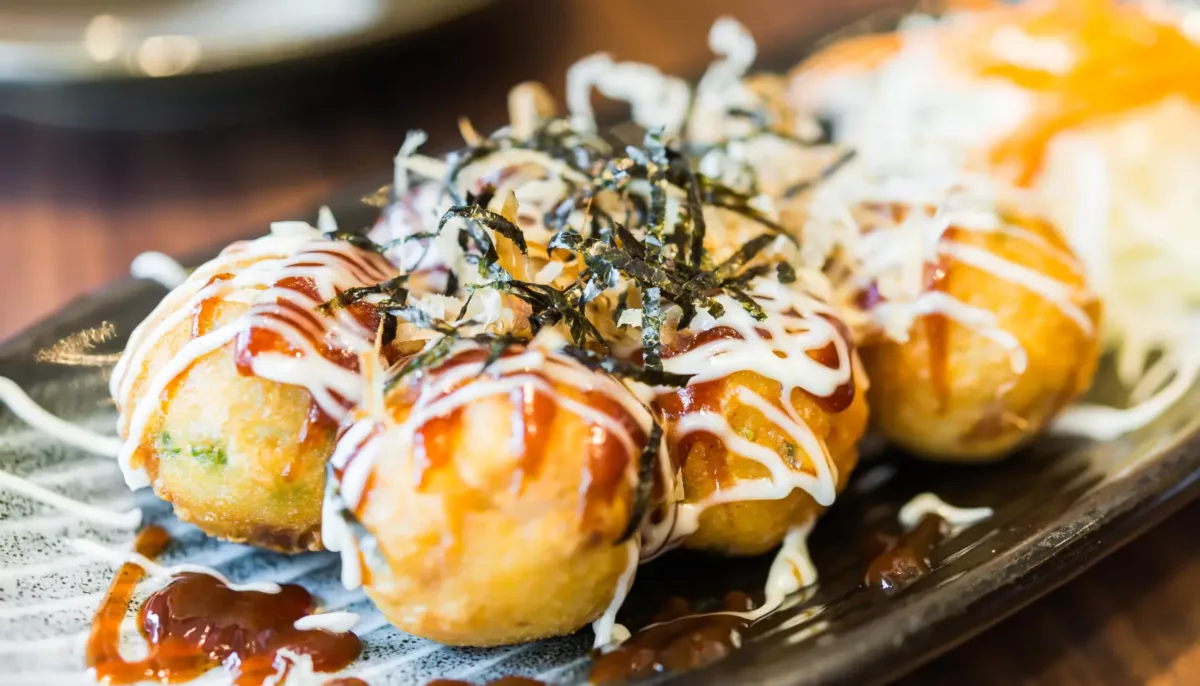
Exploring the Heartbeat of Japanese Festivals Through Food: The Story of Takoyaki and Yakisoba
Imagine strolling through the vibrant, bustling streets of a Japanese festival. Colors and sounds swirl around you, but it’s the irresistible aromas that truly captivate. These scents lead you straight to the heart of the festivities: the food stalls. Among the culinary gems on offer, two dishes truly capture the spirit of Japanese street food: Takoyaki and Yakisoba.
Takoyaki, a beloved staple often referred to as “Osaka’s soul food,” is made from a wheat-flour-based batter, filled with minced octopus, pickled ginger, and green onion, each ball cooked to perfection in a round mold pan. This results in a crispy exterior with a warm, gooey center that bursts with flavors—crisp, tender, and zesty all at once, it’s a bite-sized celebration of culture and taste.
Meanwhile, Yakisoba offers a delightful spectacle of stir-fried noodles. This dish combines pork, cabbage, onions, and carrots, all mixed with a sweet-and-savory sauce and sizzled on a hot griddle. Served traditionally on a paper plate, topped with pickled ginger and a sprinkle of aonori (green seaweed powder), Yakisoba is not just a meal; it’s a festival of flavors, embodying the joy and community of public gatherings.
ADVERTISEMENT

Discovering the Local Favorites: A Tasting Tour of Japan’s Best Street Takoyaki Spots
Diving into the local takoyaki scene is an adventure meant for the bold and the curious. Each region in Japan adds its own twist to this classic snack, making tasting different versions a palate-pleasing exploration. In Osaka, the heartland of takoyaki, stalls like “Takoyaki Doraku Wanaka” dish out what many consider the gold standard of these delicious balls, perfectly crispy on the outside with a molten heart.
Venture into Tokyo, and you’ll find “Gindaco” revolutionizing takoyaki with fillings like gooey cheese, blending traditional textures with modern flavors for an irresistible combination. Don’t miss “Kaneko Hannosuke” in Nihonbashi either, renowned for including crunchy tempura scraps for an added textural delight.
This gastronomic journey not only satiates the appetite but also offers a taste of local life, illustrating how food acts as a bridge connecting people, traditions, and festivities across Japan.

From Street Cart to Dinner Plate: Learning to Make Authentic Yakisoba at Home
Recreating the festive atmosphere of a Japanese street festival in your kitchen can be as joyful as it is delicious, especially with a dish like Yakisoba. This noodle stir-fry is simpler to make than you might expect.
Start by assembling your ingredients: fresh soba noodles, bite-sized pork pieces, and a colorful array of veggies like cabbage, carrots, and onions. The secret to outstanding Yakisoba lies in its sauce, typically a zesty blend of Worcestershire sauce, soy sauce, and a hint of sugar.
Heat a large pan or wok, and add a splash of oil, swirling to coat the surface. Cook the pork until it’s no longer pink, then toss in the vegetables and stir-fry until they’re vibrant but still crisp. Next, push your ingredients to the side to clear a space for the noodles. Drizzle a little more oil, lay down the noodles, and pour on the Yakisoba sauce. Toss everything together until the noodles are slick with sauce and infused with all the flavors.
Serve your homemade Yakisoba with traditional garnishes: pickled ginger, a sprinkle of aonori, and, if you’re feeling a bit bold, a swirl of mayonnaise. Just like that, you’ve brought a taste of Japan’s street festivals right to your dining table.
Food transcends boundaries—it connects us to far-off places and brings the essence of celebration right into our homes. Whether you’re biting into a vendor’s Takoyaki or flipping noodles in your frying pan, every meal is a passport to Japan’s rich, vibrant street food culture.
If you enjoyed this article or have suggestions on how we can improve it, please leave us a comment below. Also, make sure to check out other articles I’ve created or stories I’ve written about food culture – here.