Countries
Exploring the Geographical and Climatic Influences on Northern Italian Cuisine
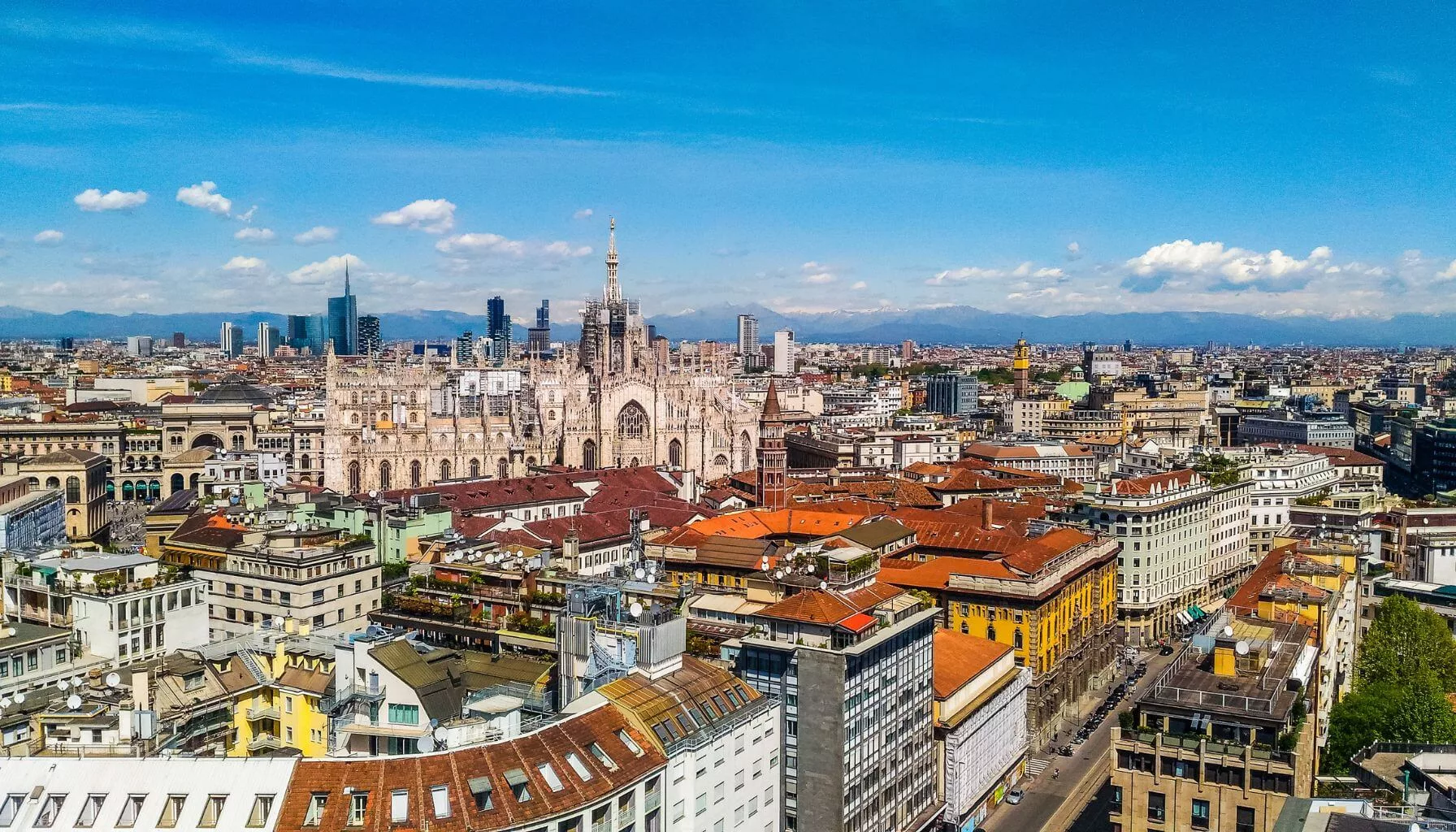
Hey friends! When chatting about Italian food, most folks’ minds jump to images of pizza twirling and pasta tossed in vibrant sauces. But, let me take you north, where Italy tucks up against the Alps and stretches across the lush Po Valley. This part of Italy brings unique geography and a cooler climate that shapes a whole different flavor palette in its cuisine.

Alpine mountains in Northern Italy influencing regional cuisine with their geography.
Up by the majestic Alps, Northern Italy’s scenery is more than just eye candy — it profoundly impacts the regional weather. This cooler climate suits certain crops better than others, influencing the traditional dishes whipped up in local kitchens. Forget the widespread tomatoes and eggplants of the milder south; here, heartier greens and cereals like cabbage and rye take center stage, making the culinary scene distinctively hearty.
Key Ingredients that Define Northern Italian Cuisine
Venturing into a Northern Italian kitchen, you’ll spy ingredients that would seem out of place down south. Staples like risotto rice and polenta are the pride of the north, essential for crafting many iconic dishes. The humid plains of Lombardy especially are famous for their top-notch Carnaroli and Arborio rice – the secret to that perfect, dreamy creamy risotto.

Assorted Northern Italian cheeses like Taleggio and Gorgonzola.
Chilly breezes also make this region perfect for dairy farming, more so than its southern siblings. This leads to the creation of champion cheeses such as Taleggio—a creamy, fragrant delight—and Gorgonzola, a bold blue cheese that brings depth to risottos and polentas alike. This love affair with dairy marks a tasty contrast from the olive oil and tomato staples of the south.
Signature Dishes of Northern Italy and Their Cultural Significance
Now, let’s dive into some signature dishes that showcase the essence of Northern Italian cooking. Take Risotto alla Milanese; this dish is a showcase of simplicity and elegance, using minimal ingredients to deliver flavors that are anything but. It’s lovingly infused with saffron, which paints the dish in golden tones and adds a lightly spiced, rich flavor. Often paired with this risotto is Osso Buco—veal shanks slow-cooked until tender in a white wine broth, a dish that truly melts in your mouth.

Risotto alla Milanese, a signature dish infused with saffron.
These dishes aren’t just tasty; they’re steeped in Milanese tradition, embodying the region’s history and economic developments that have tinged local flavors over time.
Comparative Analysis: How Northern Italian Cuisine Stands Apart from Southern Traditions
Switching gears to compare, the north is all about butter, lard, and cheese—heroes in creating the creamy textures and deep flavors found in dishes like polenta and risotto. This differs massively from the southern kitchen, which sways towards the sun with lashings of olive oil and fresh tomato concoctions that sing of the Mediterranean.
Seasoning is another frontier where north and south part ways. Northern cuisine prefers subtler spices, letting the original flavors of the ingredients sing. In contrast, the south enjoys a bold splash of herbs and spices, like oregano, basil, and capers—a vibrant testament to their agricultural abundance and peppery past, shaped by invasions and bustling trade routes.
Understanding these differences enriches our appreciation of Italian cuisine as a mosaic of history, geography, and cultural identity. Whether it’s a spoonful of sumptuous risotto or a bite of bright tomato pasta, each dish invites you into Italy’s wonderfully diverse culinary story.
If you enjoyed this article or have suggestions on how we can improve it, please leave us a comment below. Also, make sure to check out other articles I’ve created or stories I’ve written about food culture – here.