Travel
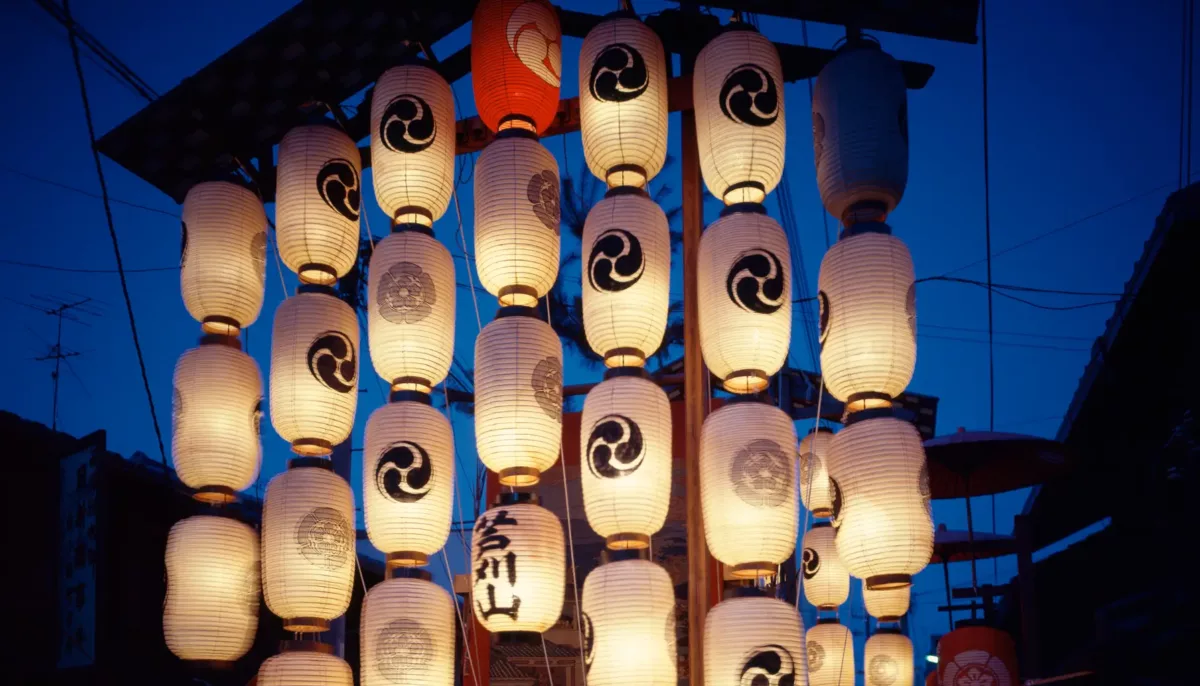
Stepping into the vibrant atmosphere of Kyoto during the Saki Matsuri, also known as the Gion Festival, feels like walking into a living, breathing tapestry of color, culture, and history. This renowned festival, one of the grandest in Japan, transforms the city into a pulsating hub of activity with the grand parade of Yamaboko floats as its crowning jewel. As locals and tourists alike gather along the centuries-old streets, the air buzzes with palpable anticipation, waiting to witness this grand spectacle—a proud tradition that dates back to the 9th century.
The craftsmanship of the Yamaboko floats is simply awe-inspiring. Towering as high as 25 meters, these elaborate structures are festooned with intricate tapestries, carved wood, and shimmering metalwork, showcasing the exceptional artistry and skill of Kyoto’s craftsmen. Each float, unique in its design, carries its own historical and cultural significance—almost like vibrant chapters of a richly woven story being proudly paraded down the city streets. Watching these colossal floats skillfully maneuver through the narrower stretches of the city, despite their massive size and weight, which can exceed several tonnes, is a testament to the meticulous planning and teamwork rooted deep within the community.

The Saki Matsuri is much more than just a festival; it’s a vital part of Kyoto’s cultural identity, deeply embedded in the heart of the community. Originally commenced to appease the gods during times of plague, the festival has evolved while steadfastly maintaining its purpose of purification and pacification. Each float represents different Kyoto neighborhoods, bringing the community together in a vibrant display of unity and pride. This communal spirit is palpable, as every participant, from the youngest to the oldest, plays a part in the festivities, whether by playing traditional music, wearing period costumes, or by pulling the floats themselves.
Personal highlights from the Saki Matsuri abound, but the ‘Yoiyama’ on the parade’s eve remains particularly etched in my memory. As evening falls, the entire city seems to light up with lanterns and joy. The floats, illuminated and displayed in full glory, cast a magical glow over the festivities. The streets buzz with the aromas of food stalls, offering delights like sizzling tofu skewers and sweet, ice-cold matcha beverages. But the real highlight was the warmth and openness of the locals. Engaging in conversations with them, I heard stories about the festival’s origins and their personal connections to it, making my experience feel even more special and authentic.

Kyoto’s Saki Matsuri is a resplendent celebration of Japan’s rich cultural tapestry. With its grand Yamaboko floats and the communal essence, the festival doesn’t just preserve history; it vivifies it. Leaving Kyoto, I felt a deeper connection to the city, inspired by its community and their unyielding dedication to their cultural heritage. For anyone visiting Kyoto in July, the Saki Matsuri is an absolute must-see—a festival that appeals to the senses, captures the heart, and stays with you long after the floats have been carefully put away.
If you enjoyed this article or have suggestions on how we can improve it, please leave us a comment below. Also, make sure to check out other articles I’ve created or stories I’ve written about food culture – here.