Appetizers

Exploring Sicily: A Personal Anecdote About My Journey to Learn Caponata
Imagine a sun-drenched afternoon in Sicily, where the vibrant buzz of the market fills the air and the aroma of stewed tomatoes and eggplant hints at culinary delights. That’s where I first fell head-over-heels for Sicilian cuisine, in a charming Palermo trattoria. One bite of Caponata di Melanzane had me smitten—a perfect harmony of sweet, sour, and savory that danced irresistibly across my taste buds.
Eager to uncover the secrets of this beloved Sicilian dish, I apprenticed with local chefs who were not only masters of their craft but also gatekeepers of history. As they shared their culinary techniques, they also recounted the stories of how each ingredient captures the spirit of Sicilian culture. Whether it was the sun-kissed eggplants or the zingy capers, every component added a narrative depth to the dish, enriching my understanding of food as a profound connector to heritage and community.
Decoding Caponata di Melanzane: What Makes This Dish Uniquely Sicilian?
Caponata di Melanzane is more than just a dish; it’s a vivid portrayal of Sicilian cuisine’s heart and soul. Central to this dish are the eggplants that, in Sicily, serve not merely as ingredients but as canvases for artistic expression. The dish’s hallmark lies in its agrodolce (sweet and sour) essence, a signature Sicilian flavor influenced by diverse cultural footprints—Arab, Spanish, and beyond—interwoven through centuries.
This delightful medley features the sweetness of raisins, the acidity of vinegar, and briny bursts from capers and olives, crowned with the crunch of toasted pine nuts. When I make this dish vegan, I ensure that none of the authentic flavors are lost, substituting traditional elements with plant-based alternatives that preserve its indigenous Sicilian character.
Step-by-Step Guide to Making Vegan Caponata di Melanzane
Ready to embrace the Sicilian chef within? Let’s prepare vegan Caponata di Melanzane, step by step:

Ingredients:
- 2 large eggplants (aubergines), cubed
- 2 tablespoons of olive oil
- 1 onion, chopped
- 3 garlic cloves, minced
- 1 red bell pepper, chopped
- 1 can (400g) chopped tomatoes
- 3 tablespoons capers, rinsed
- 1/4 cup (40g) raisins
- 1/4 cup (30g) pitted green olives, sliced
- 2 tablespoons pine nuts
- 3 tablespoons red wine vinegar
- 1 teaspoon sugar
- Salt and pepper, to taste
- Fresh basil leaves, for garnish
Instructions:
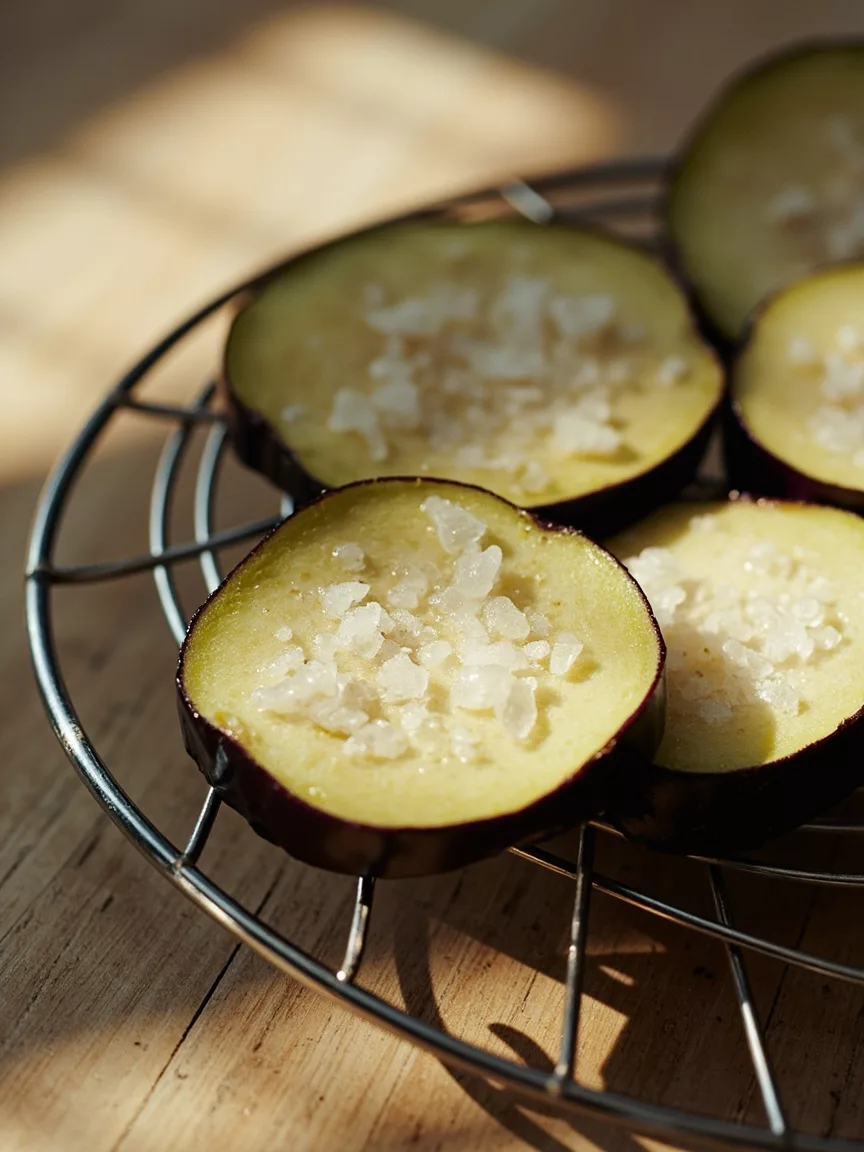
1. Salt the cubed eggplants and let them sit for about an hour to draw out any bitterness. Rinse and pat dry.
2. In a large skillet, heat the olive oil over medium heat. Add the onion, garlic, and bell pepper, sautéing until soft.
3. Introduce the eggplants and cook until golden and tender.
4. Stir in the tomatoes, capers, raisins, olives, and pine nuts, ensuring everything is well combined.
5. Mix the vinegar and sugar together, then pour over the vegetables. Season with salt and pepper.
6. Let everything simmer for 10-15 minutes, allowing the flavors to meld beautifully.
7. Garnish with fresh basil before serving.
Presentation and Pairing Tips for Serving Caponata di Melanzane Like a True Sicilian
Serve your Caponata di Melanzane Sicilian-style by allowing it to cool to room temperature, ideally presented in a vibrant ceramic dish that whispers tales of Sicily. This versatile delicacy shines as both an appetizer spread over crusty bread and as a robust side dish, brightening any meal.

For the perfect pairing, opt for a chilled Grillo or Catarratto white wine. Their crisp acidity elegantly cuts through the richness of the caponata, enhancing its intricate flavors. Alternatively, a refreshing lemon and mint-infused water provides a delightful non-alcoholic complement.
Caponata isn’t just about savoring flavors; it’s about sharing moments. Whether it’s a serene dinner beneath the stars or a lively family feast, this dish promises a slice of Sicilian summer, making every gathering a little more special. So, gather your loved ones, pour the wine, and let the good times roll—Sicilian style!
If you enjoyed this recipe or have suggestions on how we can improve it, please leave us a comment below. Also, make sure to check out other dishes I’ve created or stories I’ve written about food culture – here.