Countries

Exploring the Roots of Sumo Wrestling: A Brief History and Its Cultural Significance in Japan
Sumo wrestling, deeply woven into Japan’s cultural tapestry, boasts a history spanning over 1,500 years. Originating as a performance to entertain Shinto deities, sumo has evolved into a competitive sport that marries Herculean strength with meticulously observed rituals. It’s not merely about the colossal clashes; sumo is a bastion of heritage, reflecting values of dedication, respect, and purity. Each element, from the purifying salt scattered in the ring to the precise cuts of the wrestlers’ kimonos, narrates a chapter of Japan’s rich history and enduring traditions.
Growing up in Columbus, Ohio, my Japanese heritage piqued a distant curiosity about this enthralling sport. Discovering that sumo wrestlers lead lives defined by strict discipline and communal living resonated with me, echoing the structured yet nurturing upbringing I shared with my brother. This blend of fierce competition and deep cultural adherence paints sumo wrestling as a poignant reflection of Japanese societal values.
My First Sumo Tournament Experience in Aichi: Sights, Sounds, and Atmosphere
Stepping into the sumo hall in Aichi, I was enveloped by an atmosphere charged with anticipation and the distinctive scent of bintsuke oil used in the wrestlers’ hair. The arena buzzed with ecstatic cheers punctuated by the profound thump of wrestlers colliding. Witnessing these matches, I marveled at the athletes’ simultaneous display of raw power and elegant precision. The captivating contrast between the ferocious beginning of a match and the solemn rituals that precede it underscores a deep-rooted tradition and respect.
The rikishis’ intense focus, as they readied for the tachiai (initial charge), embodied a blend of meditative calm and unleashed power. This juxtaposition is the essence of sumo, where tranquility and tempest coexist. Sharing these experiences brought my followers closer to understanding this unique cultural and athletic fusion.
ADVERTISEMENT
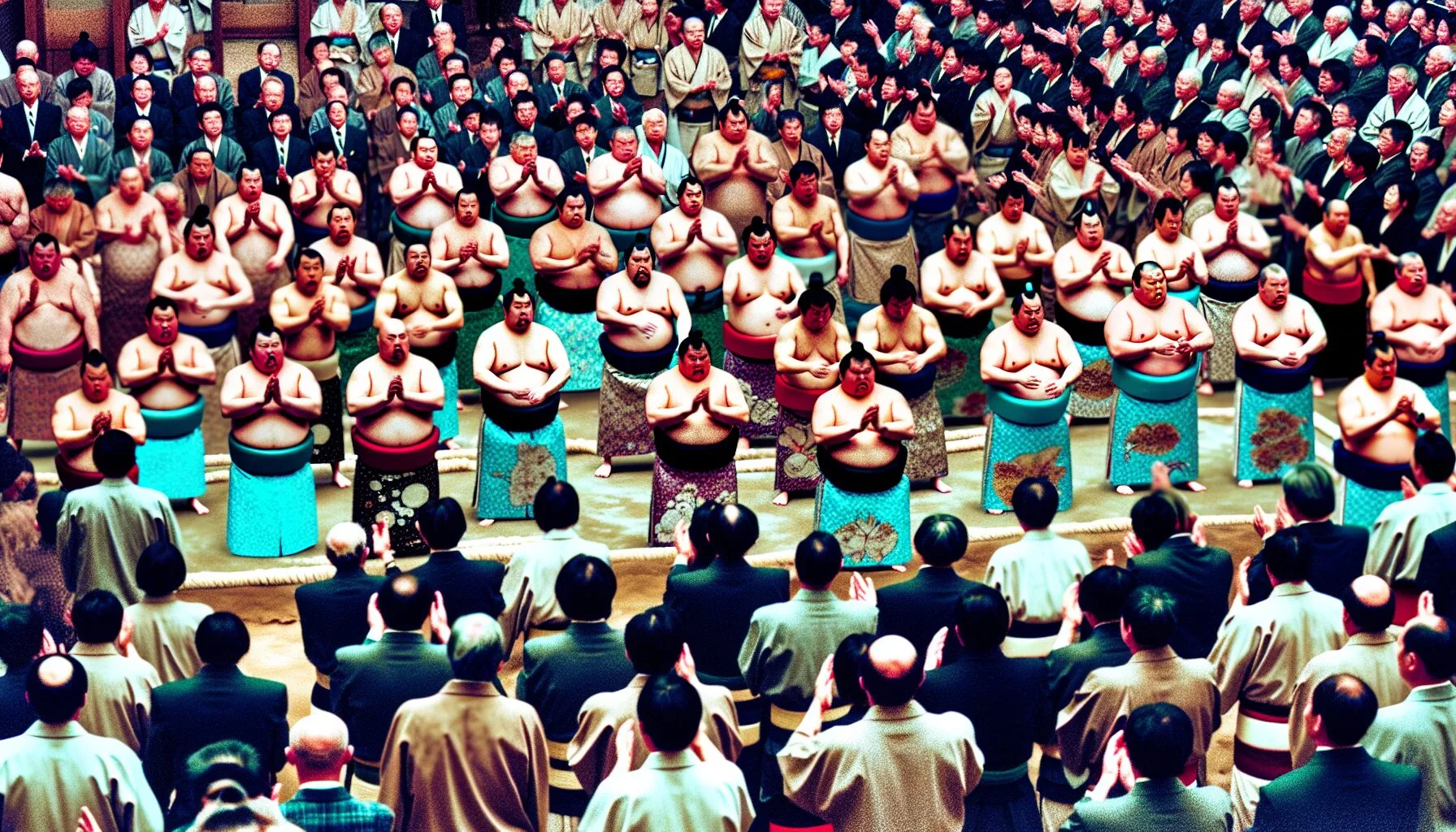
Behind the Scenes at a Sumo Basho: Training, Rituals, and Wrestler Interviews
Away from the spectacle, the disciplined world of keiko (practice) unfolds where rikishi train rigorously at dawn. Observing a morning session, the rhythmic impact of bodies was testament to years of dedicated training. A young wrestler shared insights into his diet, training regimen, and aspirations. He highlighted the role of chanko-nabe—a protein-rich stew pivotal to a wrestler’s diet—designed to build strength and sustain health.
The dohyo-iri (ring-entering ceremony) caught my attention with its precision and symbolism, each step and clap a gesture to ward off evil spirits, honoring the sport’s divine origins. These rituals forge a continuum, linking the sport’s past to its present-day warriors.
ADVERTISEMENT

Tasting Aichi: Local Vegan Delights Inspired by Sumo Wrestlers’ Balanced Diets
Drawing inspiration from sumo wrestlers’ robust diets, I ventured into Aichi’s culinary scene to explore vegan options that adhere to the principles of chanko-nabe. I found a charming eatery offering a plant-based version of this classic dish, loaded with tofu, fresh seasonal veggies, and simmered in a savory miso broth—a hearty, nourishing meal ideal for refueling.
Back in my NYC kitchen, I recreated this dish with a twist: a vegetable broth (1 liter) base, enriched with sliced tofu (200g), diverse mushrooms, carrots, and bok choy. Seasoned with miso paste (2 tablespoons), soy sauce (1 tablespoon), and a splash of sake, it simmers until the vegetables tenderize. This meal isn’t just a homage to the sumo diet; it’s a celebration of how adaptable and exciting vegan cuisine can be.
Navigating the depths of Japan’s sumo culture was as enriching as it was flavorful, blending the exhilaration of the sport with the depth of its culinary traditions. Sharing these stories has been a thrilling way to connect my heritage with my passion for vegan cooking and storytelling.
If you enjoyed this article or have suggestions on how we can improve it, please leave us a comment below. Also, make sure to check out other articles I’ve created or stories I’ve written about food culture – here.