Countries
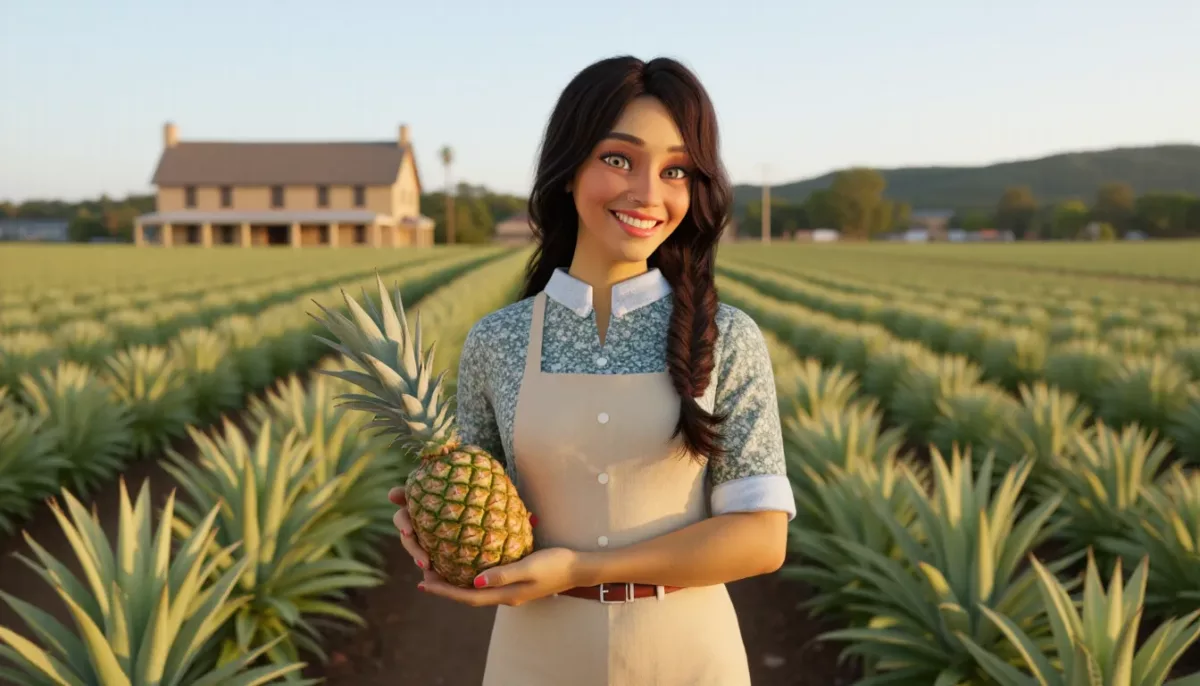
Exploring the Roots: The Birth of Pineapple Cultivation on Lanai
Hey foodie friends! Today, let’s wander through the zesty tale of Lanai, Hawaii, where pineapples reign supreme. Before these zingy fruits adorned every summertime party and tropical-themed decor, they were mere exotic curiosities with untold potential. Picture Lanai in the early 1900s: rugged, wild, untouched by the agricultural fame that would later define it. It was here, amidst this challenging landscape, that the concept of cultivating pineapples took root.
Enter our visionary, James Drummond Dole. Dreaming big, Dole faced down the island’s craggy soil and arid conditions with a pioneering spirit. He brought in truckloads (literally) of fertile soil, setting the stage for Lanai’s transformation into a thriving pineapple paradise. Workers flowed in from the Philippines, Japan, and China, creating a vibrant, multicultural community while laying down the first spiky rows of pineapple history on the island.
The Sweeping Changes: James Dole and The Pineapple Revolution
James Dole, the so-called “Pineapple King,” was not just a moniker—it was a prelude to revolution. With the entire island under his belt post-1922, thanks to an audacious purchase by the Hawaiian Pineapple Company (later Dole Food Company), large-scale cultivation began. Dole was a game-changer, deploying innovative farming techniques that not only boosted yields but also redefined pineapple farming globally.
By the mid-20th century, a staggering 75% of the world’s pineapples sprouted from Lanai’s soil. The island wasn’t just growing pineapples; it was setting the gold standard for agricultural practices worldwide, bustling as a beehive with activity and sweet, spiky prosperity.

Cultural Impact: How Pineapples Shaped Lanai’s Community and Traditions
But the impact of pineapples on Lanai stretched beyond agriculture. The industry wove a rich cultural tapestry into the island’s societal fabric. The diverse workforce brought a cornucopia of cultures, languages, and traditions that enriched everyday life, influencing everything from local cuisine to festival revelries.
Take the annual Pineapple Festival—it encapsulated Lanai’s agricultural spirit with vibrant displays of pineapple-infused dishes, games, and dancing. Even today, you can taste the pineapple legacy in local cuisine, which whimsically includes the fruit in everything from savory poke bowls to sweet desserts. It’s a mouthwatering emblem of the island’s resilience and creativity.

Pineapples to Tourism: Transitioning from Agriculture to Modern Attractions
As the winds of globalization and shifts in agricultural practices swept through, sustaining vast pineapple fields became untenable. The late 20th century marked a pivotal shift for Lanai, turning its focus towards tourism. The sprawling plantations gave way to luxurious resorts and breathtaking golf courses, rebranding Lanai as a plush travel hotspot.
While the pineapple fields may no longer dominate the landscape, their legacy endures. Visitors now bask in Lanai’s historical richness at the Lanai Culture & Heritage Center or traverse hiking trails that meander through erstwhile plantation fields. The island, with its irresistible allure and culinary delights that still flirt with its pineapple past, stands as a testament to adaptation and heritage, welcoming all who wish to experience its layered history and tranquil beauty.
If you enjoyed this article or have suggestions on how we can improve it, please leave us a comment below. Also, make sure to check out other articles I’ve created or stories I’ve written about food culture – here.