Food
Food 

Discovering Laulau: Historical Roots and Cultural Significance in Hawaiian Cuisine
Laulau, a staple in Hawaiian cuisine, encapsulates the essence of traditional island cooking. This dish typically features succulent pork wrapped in earthy taro leaves, slow-cooked in an underground oven known as an imu. This unique preparation infuses the laulau with a distinct smoky flavor, marking it as a culinary celebration of heritage. The process of making laulau is a communal activity, deeply interwoven with Hawaii’s family-oriented culture, transforming every meal into a shared experience.
During my globetrotting days, I learned the powerful role of food in cultural connection. Even in my cozy NYC kitchen, miles away from Hawaii, I can recreate and honor these communal traditions with my vegan takes on classic dishes like laulau. It’s a testament to how food serves as a universal language, bridging gaps and gathering diverse people around a common table.
Transforming Tradition: Key Components of Traditional Laulau and Vegan Substitutes

Reinventing traditional laulau for a vegan diet involves clever substitutions to preserve the dish’s authentic appeal while maintaining plant-based principles. In its classic form, laulau is based around pork, fish, and taro leaves. The meats are pivotal for their rich, comforting textures. To mimic these in a vegan recipe, I use jackfruit and shiitake mushrooms. Jackfruit, known for its fibrous texture similar to pulled pork, soaks up flavors splendidly, making it a robust base. Shiitake mushrooms add a profound umami kick, reminiscent of the depth traditionally provided by fish.
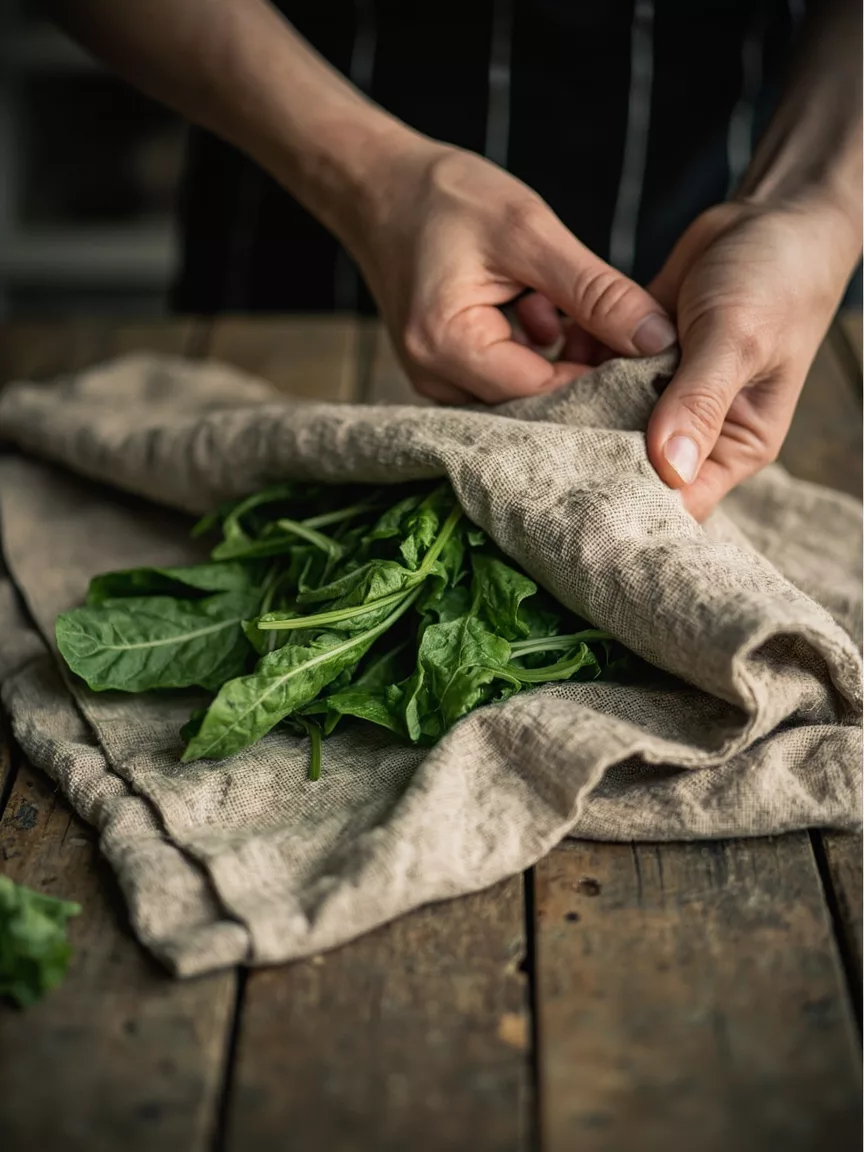
The taro leaves remain a constant in this plant-based version. They’re pivotal for encapsulating the fillings, steaming them to tender perfection, and adding their subtle, earthy essence. By keeping the taro leaves, we stay true to the dish’s roots while celebrating the wholesome virtues of vegan eating.
Step-by-Step Guide: Crafting Vegan Laulau with Jackfruit and Shiitake Mushrooms
 Crafting vegan laulau is like taking a culinary adventure, rich with distinctive flavors and textures. Start by gathering high-quality canned young green jackfruit and dried shiitake mushrooms. Here’s how to transform these ingredients into delightful vegan laulau:
Prepare the Filling:
- Drain and rinse 2 cups (300g) of young green jackfruit.
- Rehydrate 1 cup (30g) of dried shiitake mushrooms in warm water until soft, then slice thinly.
- In a skillet, sauté the jackfruit and mushrooms with a dash of soy sauce, a sprinkle of sea salt, and a hint of liquid smoke to achieve that authentic smokiness, cooking until the jackfruit resembles pulled pork.
Wrap it Up:
- Arrange 4-5 large taro leaves (cleaned, with stems removed) overlapping on a flat surface.
- Spoon the jackfruit and mushroom mixture onto the leaves.
- Fold the leaves over the filling, creating a bundle, and secure with string or banana leaf strips.
The Cooking Process:
- While traditional laulau is cooked in an imu, a home kitchen steam setup works wonders. Steam your bundles in a steamer or a pressure cooker for about 1-2 hours, ensuring they’re tender and thoroughly cooked.
Serving and Pairing: Ideal Accompaniments for Vegan Laulau for a Complete Hawaiian Meal
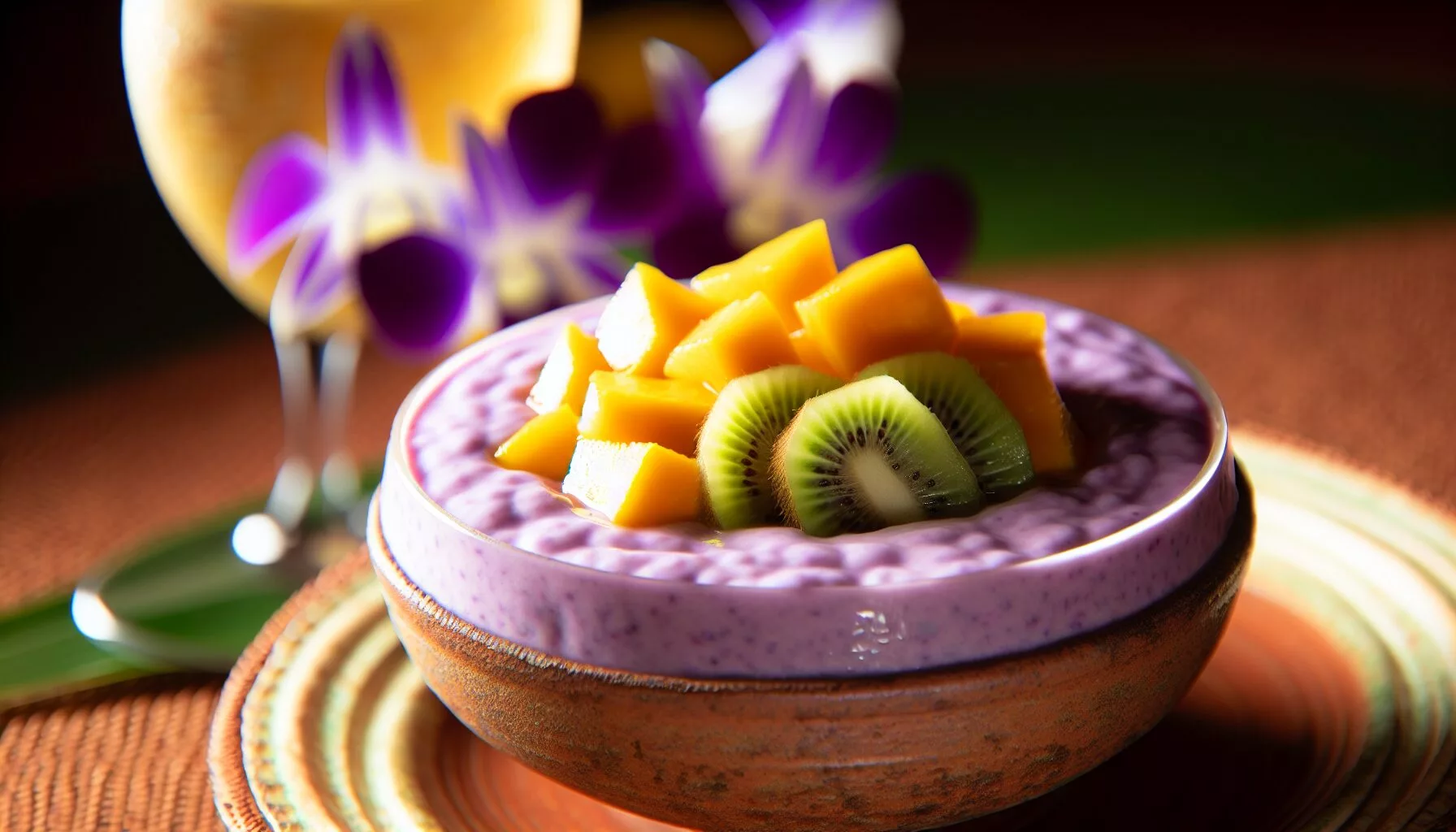
Plating your vegan laulau is where the fun starts! To round off this Hawaiian feast, serve the laulau with steamed rice or a scoop of poi. Poi, with its creamy, tangy kick, pairs wonderfully with the rich laulau. Brighten up your plate with a vegan lomi-lomi salad, using tomatoes and seaweed for a crisp, refreshing contrast.
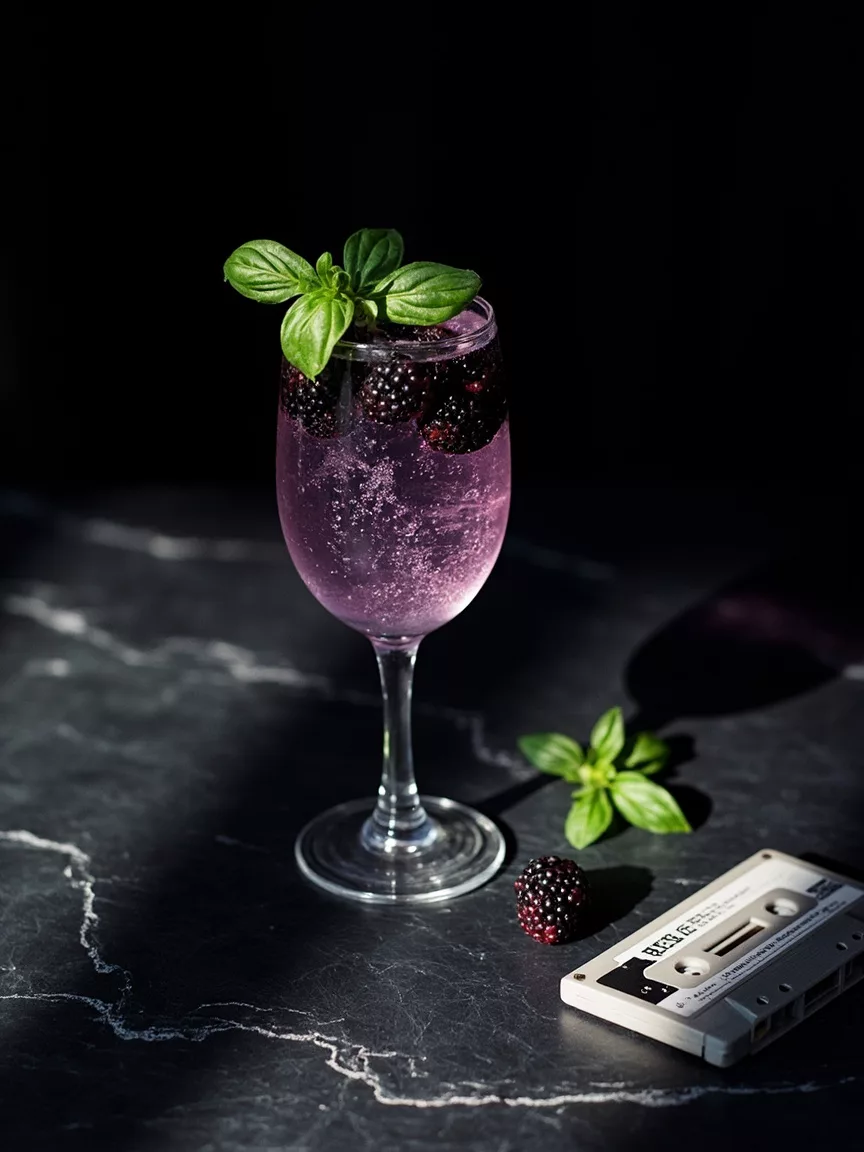
And to drink? Opt for a vibrant tropical fruit punch or a chilled hibiscus tea, enhancing the meal with lively, zesty notes. These flavors not only complement the savory laulau but also echo the warm, sunny vibes of a Hawaiian beachside. Each bite and sip transports me back to those serene shores, reminding me once again why I cherish this flavorful journey.
If you enjoyed this recipe or have suggestions on how we can improve it, please leave us a comment below. Also, make sure to check out other dishes I’ve created or stories I’ve written about food culture – here.