Appetizers
If you could see me right now, I’m sitting on my fire escape in Upper Manhattan, the morning sun hitting my light bronze skin just right while Zelda, my black-and-white Boston Terrier mix, tries to “hunt” a pigeon from behind the window screen. I’ve got my curly brown hair pulled back into my signature side braid, a fresh swipe of red lipstick on, and a massive bowl of what I like to call my “Forest Floor Sauté” cooling beside me.

Lately, I’ve been thinking a lot about how we define “soul food.” For some, it’s the heavy, nostalgic dishes of their childhood. For me, as a vegan chef who’s spent time traversing the globe from the bustling streets of Hatsukaichi to the vibrant markets of Kingston, soul food is anything that connects us back to the earth. And nothing—honestly, nothing—does that better than mushrooms. These earthy gems are the absolute MVPs of my kitchen. They aren’t just a meat substitute; they are a cultural bridge. They carry that deep, elusive umami flavor that hits the back of your palate and makes you feel grounded. Whether I’m channeling my Japanese roots with a delicate miso broth or leaning into the bold, smoky flavors I found in Jamaica, mushrooms are the silent heroes that make it all possible.
The Earth’s Most Versatile Flavor Bombs

When I first started my journey to connect with my biological roots, I realized that mushrooms are a universal language. In Japan, they are revered for their medicinal properties and subtle grace; in Europe, they are the gold of the forest. Understanding the different types is like learning the vocabulary of a new language—once you know the words, you can start writing your own stories on the plate.
White Button & Cremini (The Everyday Essentials)
Let’s start with the basics. White buttons are the ones we all grew up with, but did you know they’re actually just the younger siblings of the Cremini? If you let a button mushroom mature a bit, it develops a darker pigment and a slightly deeper flavor, becoming a Cremini (or “Baby Bella”). These are my go-tos for a quick weeknight stir-fry or a vegan “Bolognese.” They’re mild, approachable, and soak up whatever flavors you throw at them.
Portobello (The Meaty Powerhouse)
If you let that Cremini keep growing until it’s the size of your palm, you get a Portobello. These are the heavy hitters. Because they’ve had more time to lose moisture, their flavor is concentrated and their texture is dense. I love marinating these in balsamic, soy sauce, and a little liquid smoke before throwing them on the grill. They have this incredible ability to satisfy that “meaty” craving without any of the processed stuff.
Shiitake (The Umami Queen)
Now, these take me back to my roots. Shiitakes have a distinctively smoky, earthy flavor that is essential in East Asian cuisine. I remember seeing them dried in huge bins in Japan. When you cook them, they release this velvety richness. Pro tip: always remove the stems! They’re way too woody to eat, but don’t toss them—throw them into a pot with some water and kombu to make the best vegetable stock of your life.
Oyster & King Oyster (The Texture Specialists)
Oyster mushrooms are delicate, ruffled, and have a slight seafood-like brininess, which is why they’re a vegan chef’s dream for making “calamari” or “scallops.” The King Oyster, however, is the real showstopper. It has a thick, meaty stem that you can slice into rounds and sear to perfection. I recently made a batch for my brother Naveen when he visited from LA, and he—the king of high-end skincare and even higher standards—actually asked for the recipe.
Enoki & Chanterelle (The Delicate Darlings)
Enokis look like little clusters of white noodles and offer a delightful crunch, perfect for dropping into a hot bowl of ramen at the last second. On the flip side, Chanterelles are the luxury items. They’re golden, trumpet-shaped, and have a faint aroma of apricots. They are best treated with respect—a little vegan butter, some fresh thyme, and maybe a splash of white wine.
Mastering the Sizzle Without the Sog
If there is one thing that breaks my heart, it’s a rubbery, grey mushroom. We’ve all been there, right? You toss them in a pan and suddenly they’re swimming in a pool of their own grey liquid. That is not the vibe we’re going for! To get that golden-brown, caramelized crust that makes mushrooms truly sing, you have to understand the science of the sizzle.
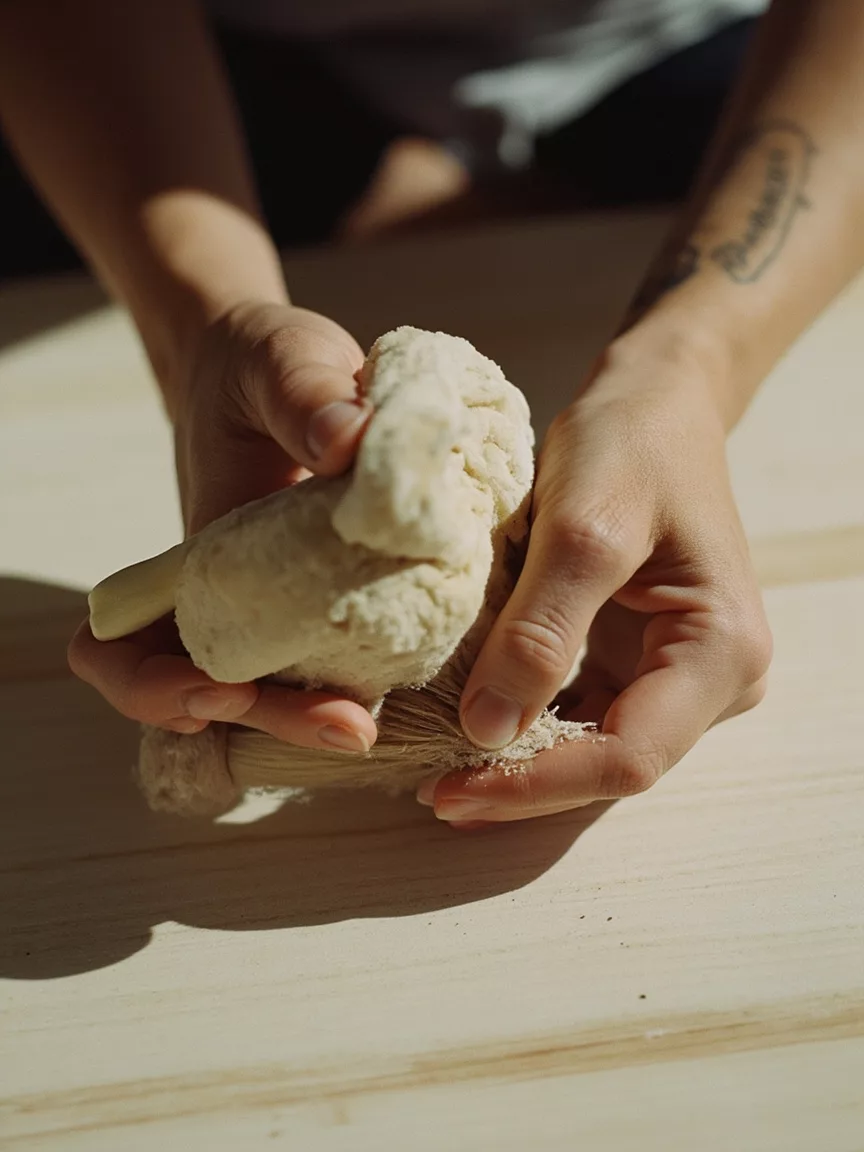
First off, let’s talk about cleaning. My mom, Sandy, who is a total wizard with plants, always told me that mushrooms are like sponges. If you soak them in water, they will absorb it all and never get crispy. Instead, use a damp paper towel or a soft brush to wipe away any dirt. If they’re really gritty, a very quick rinse is okay, but dry them immediately.
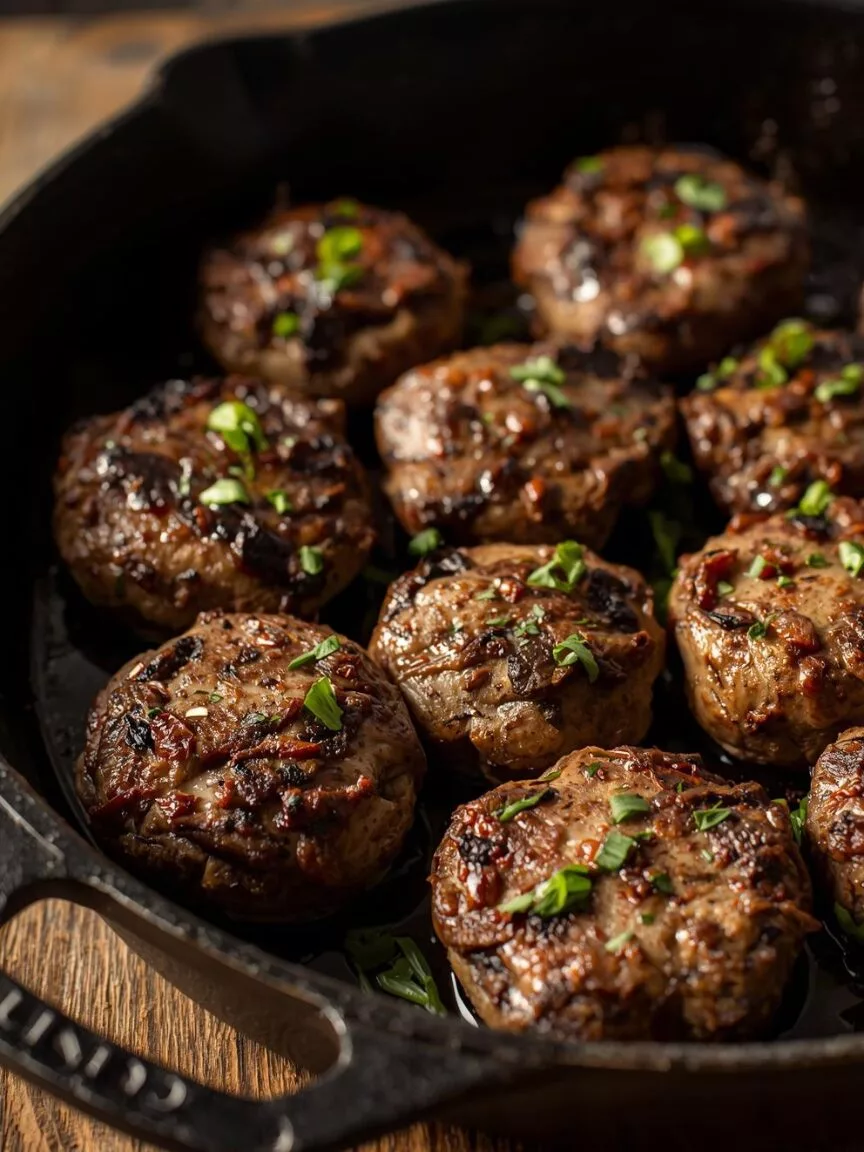
When it comes to the pan, heat is your best friend. You want a heavy-bottomed skillet—cast iron is my personal favorite—and you want it hot. Use a high-smoke-point oil and, this is the most important part: do not crowd the pan. Mushrooms need space to breathe. If they’re all piled on top of each other, the steam gets trapped, and they’ll boil instead of sear. Give them room to stretch out, just like I do during my morning yoga on the fire escape.
Lastly, let’s talk about the “when” of seasoning. If you salt your mushrooms the second they hit the pan, the salt will draw out the moisture too early, and you’ll end up with that dreaded puddle. Wait until they’ve already started to brown and develop a crust before you hit them with the salt and pepper. This keeps the moisture locked inside while the outside gets that gorgeous texture.
Jade’s Miso-Glazed King Oyster “Scallops”

This is a dish I developed when I was feeling a bit homesick for Japan but wanted something that felt sophisticated enough for a dinner party in the city. It uses the stems of King Oyster mushrooms to mimic the texture of sea scallops. It’s buttery, savory, and looks absolutely stunning.
Miso-Glazed King Oyster “Scallops”
Ingredients
- 3-4 large King Oyster mushrooms about 12 oz / 340g
- 2 tbsp 30ml neutral oil (like grapeseed or avocado oil)
- 3 tbsp 45g vegan butter
- 2 cloves garlic smashed
- 1 sprig fresh thyme
- 1 tbsp 15g white miso paste
- 1 tbsp 15ml warm water
- 1 tsp 5ml Agave In The Raw
- A squeeze of fresh lemon juice
- Fresh chives finely chopped for garnish
Instructions
- Prep the "Scallops": Cut the caps off the King Oyster mushrooms (save them for a stir-fry later!). Slice the thick stems into rounds about 1 inch (2.5cm) thick. Using a sharp knife, lightly score a crosshatch pattern into the flat sides of each round. This helps the glaze seep in.
- The Sear: Heat the oil in a large skillet over medium-high heat. Once the oil is shimmering, add the mushroom rounds in a single layer, scored-side down. Let them sear undisturbed for 3-5 minutes until they are a deep, golden brown. Flip them over and sear the other side for another 3 minutes.
- The Butter Bath: Lower the heat to medium. Add the vegan butter, smashed garlic, and thyme sprig to the pan. As the butter melts, use a spoon to continuously baste the mushrooms with the garlic-infused butter for about 2 minutes.
- The Glaze: In a small bowl, whisk together the miso paste, warm water, and Agave In The Raw until smooth. Pour this mixture into the pan. It will bubble and thicken quickly. Toss the mushrooms to coat them thoroughly in the glaze.
- Finish: Remove from heat, add a quick squeeze of lemon juice to brighten the flavors, and garnish with fresh chives. Serve immediately, perhaps over a bed of creamy polenta or some garlicky wilted greens.
Notes
Nutrition
Avoiding Rookie Mistakes and Finding Your Groove
I’ve seen a lot of people give up on mushrooms because they had one bad experience with a slimy canned version or an undercooked button mushroom at a salad bar. But honestly, once you dodge a few common mistakes, a whole new world of flavor opens up.
One big mistake is using too little fat. Mushrooms are porous, and they will soak up your oil or vegan butter almost instantly. Don’t be afraid to add a little more mid-way through if the pan looks dry. Another is being too timid with the heat. You want to hear that sizzle! If the pan is silent, your mushrooms are just sitting there getting sad.
Also, don’t feel like you have to stick to one type. Some of my best meals have come from “cleaning out the fridge” and tossing a mix of Cremini, Shiitake, and Oyster mushrooms into a roasting pan with some olive oil, rosemary, and whole garlic cloves. Roast them at 400°F (200°C) for about 20 minutes, and you have a concentrated, earthy side dish that goes with literally anything.
At the end of the day, cooking is about intuition and connection. Every time I slice into a mushroom and see that intricate gill structure, I’m reminded of the tattoo on my left arm—the one of my Thai grandma’s tea set. It’s a reminder that we are all connected to the generations that came before us through the food we prepare and the care we put into it. So, grab a variety of fungi next time you’re at the market, put on some old-school hip hop (I’m currently vibing to some classic Tribe Called Quest), and don’t be afraid to get a little adventurous in the kitchen.
Let me know in the comments which mushroom is your favorite, or if you try the “scallops” recipe! I love hearing about your kitchen wins. Stay adventurous, stay hungry, and I’ll catch you in the next post!
If you enjoyed this recipe or have suggestions on how we can improve it, please leave us a comment below. Also, make sure to check out other dishes I’ve created or stories I’ve written about food culture – here.