August Recipes

Discovering the Spirit of Luaus: My Inspiration for a Vegetarian Twist
Aloha, dear readers! Imagine yourself lounging on the soft sands of a Hawaiian beach, the rhythmic sway of hula dancers, and the rich aromas of a traditional luau floating in the breeze. As perfect as this scene sounds, for those of us committed to a vegan lifestyle, it presents a unique culinary challenge. That’s exactly what sparked my creativity during a mesmerizing visit to Honolulu last summer. Inspired by the vibrant local culture, I was determined to reinvent the beloved luau stew—vegan style!
My exploration began on a sun-doused beach, observing families gathered around bubbling pots of the classic stew. A question simmered in my mind: could I capture the soul of this traditional dish in a plant-based avatar without compromising its cultural essence? Armed with a zest for adventure and a palette eager for experimentation, I set out to create not just a dish, but a vegan homage to Hawaiian tradition.
Exploring Traditional Luau Ingredients: A Vegan Chef’s Guide
Diving into the essentials, luau stew traditionally features taro leaves, celebrated for their rich, nutty taste. The conventional stew also includes pork or fish, but my vegan ethos guided me toward equally sumptuous, plant-oriented alternatives.
In my version, the inimitable taro leaves take center stage. To replace the meaty texture typical of the stew, I chose jackfruit for its uncanny ability to mimic pulled pork once cooked. Joining this are sweet potatoes and coconut milk, intermingling a creamy sweetness that perfectly complements the savory depth of the taro leaves. This assembly doesn’t just tantalize the tastebuds—it also stands as a testament to sustainability, a core value for us vegans.
ADVERTISEMENT

The Creation of Meatless Luau Stew: Ingredients and Preparation Steps
Ready to bring a piece of the tropics to your table? Here’s what you’ll need:
Ingredients:
- 1 large onion, diced
- 2 cloves garlic, minced
- 2 cups (260g) jackfruit, fresh or canned, shredded
- 1 large sweet potato, peeled and cubed
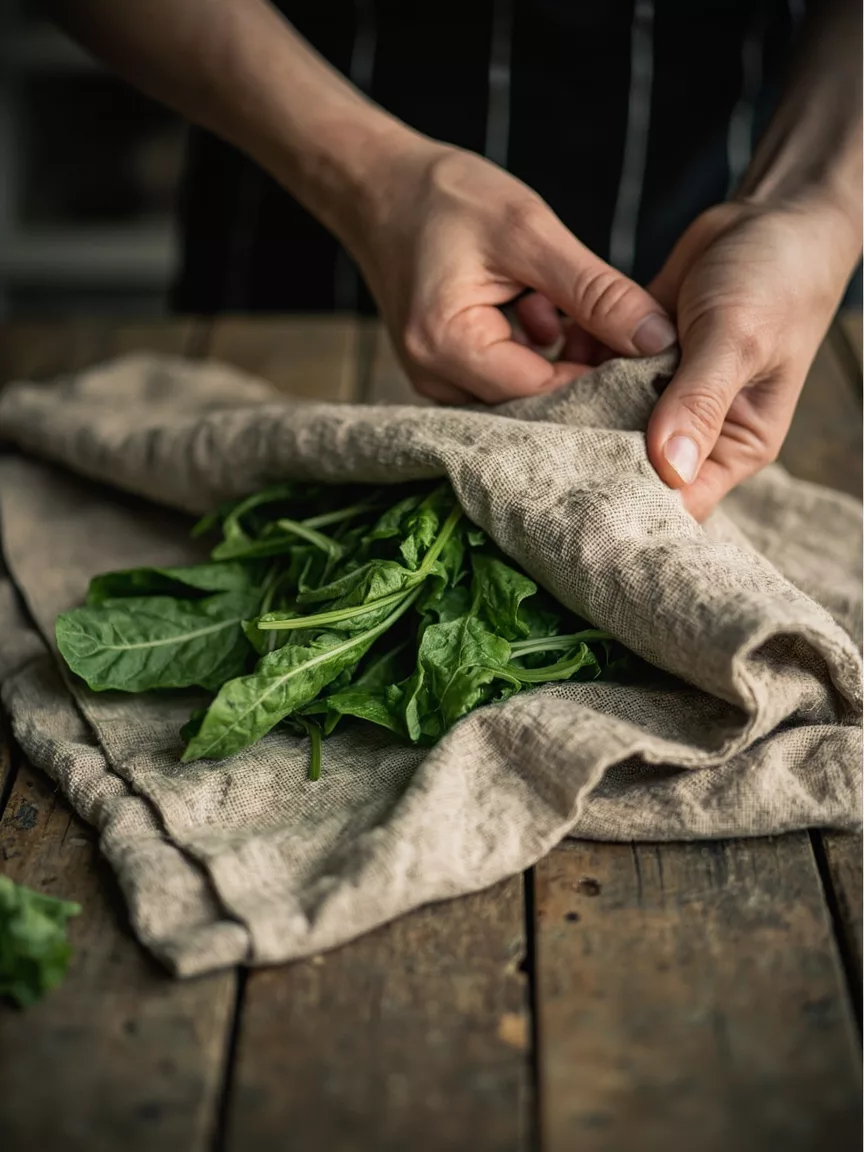
- 4 cups (500g) taro leaves, thoroughly washed and chopped
- 3 cups (700ml) vegetable broth
- 1 can (400ml) coconut milk
- 1 tablespoon (15ml) soy sauce
- 2 teaspoons (10g) ginger, grated
- 2 tablespoons (30ml) olive oil
- Salt and pepper, to taste
Directions:
1. Heat olive oil in a large pot over medium. Saute onions and garlic until they’re sweetly translucent.
2. Add the jackfruit and sweet potatoes, sautéing until the jackfruit becomes slightly caramelized.
3. Toss in the taro leaves, vegetable broth, and coconut milk. Bring to a lively boil then simmer.
4. Stir in the soy sauce and ginger. Season with salt and pepper. Simmer for 20-30 minutes, until the taro leaves melt into tender perfection and the sweet potatoes are just the right amount of soft.
5. Fine-tune the flavor as needed, then take off the heat.

Serving and Enjoying Your Vegan Luau Stew: Tips for an Authentic Experience
Presentation and vibe are as crucial as the stew itself. Serve piping hot in deep bowls, paired perhaps with poi or a heap of steamed rice to maintain authenticity. Set the scene with tiki torches and the gentle strums of ukulele music, creating an island ambiance right in your backyard. Embrace the fun by donning a floral lei or a bright Hawaiian shirt.
Inviting friends and family over transforms this culinary venture into a communal celebration, embodying the generous spirit of a true Hawaiian luau. There’s nothing quite like bonding over good food, laughter, and captivating stories under the open sky. With this delectable vegan luau stew, you’re poised to not only feed but also win over hearts.
So, whether you’re a devoted vegan or simply a culinary explorer, this meatless luau stew offers a flavorful journey through the tastes and traditions of Hawaii. From my spirited kitchen to yours, happy cooking and aloha!
If you enjoyed this recipe or have suggestions on how we can improve it, please leave us a comment below. Also, make sure to check out other dishes I’ve created or stories I’ve written about food culture – here.