Travel

Exploring the Unique Flavors of Hawaii: A Vegetarian’s Guide
Aloha, veggie lovers! Prepare to embark on a culinary journey through the enchanting islands of Hawaii, where the vegetarian delights are as colorful and varied as the scenery. Hawaiian farmers’ markets offer a cornucopia of fresh, local produce—many indigenous to the islands. Imagine meandering through vibrant stalls brimming with exotic fruits and veggies, the gentle Hawaiian breeze mingling with the tangy scent of the sea. This isn’t just a market visit; it’s a full sensory immersion.
Every island boasts its specialties, united by a profound respect for the land—or ‘Āina, as the locals say. This reverence is evident in the offerings at the markets. The farmers and vendors, always welcoming, are eager to share tales of their produce and tips on how to savor them. These interactions enrich your visit, linking delicious tastes with deeper cultural insights.
Discovering Local Vegetarian Delicacies: Taro, Breadfruit, and Beyond
Taro, or kalo, is at the heart of Hawaiian culture and cuisine. At local markets, you’ll find taro in numerous forms—from the freshly harvested roots to the creamy, ready-to-eat poi, a traditional dish of mashed taro that’s both subtly sweet and nutritious. Breadfruit, or ‘ulu, is another must-try. Aptly named for its bread-like texture when cooked, ‘ulu can transform into everything from crispy fries to comforting stews.
Yet, Hawaiian vegetarian fare extends beyond taro and breadfruit. You’ll also discover delightful purple sweet potatoes, crisp green chayote, and the tangy soursop—a versatile fruit that’s excellent in juices or as a meat substitute. Don’t overlook the array of fresh herbs and spices like lemongrass, ginger, and turmeric, all locally grown to add a punch of flavor to any dish you whip up.
ADVERTISEMENT

Navigating Hawaiian Farmers’ Markets: Tips for Vegetarians
Exploring these markets is an adventure of its own, but a few tips can enhance your experience. Arrive early to catch the freshest produce and dodge the midday crowds. This also gives you a better chance to chat with the vendors, who are usually enthusiastic about their sustainability practices and how their produce fits into vegetarian cuisine.
Bring along your reusable bags, in line with the islands’ commitment to environmental conservation. While cash remains preferred, many vendors now accept cards, a nod to the increasing influx of tourists. If you’re touring the island post-shopping, keep a cooler in your car to keep those rare finds like mountain apples or passion fruit at their freshest.

Savoring Hawaiian Vegan Desserts: Tropical Fruits and Sweet Treats
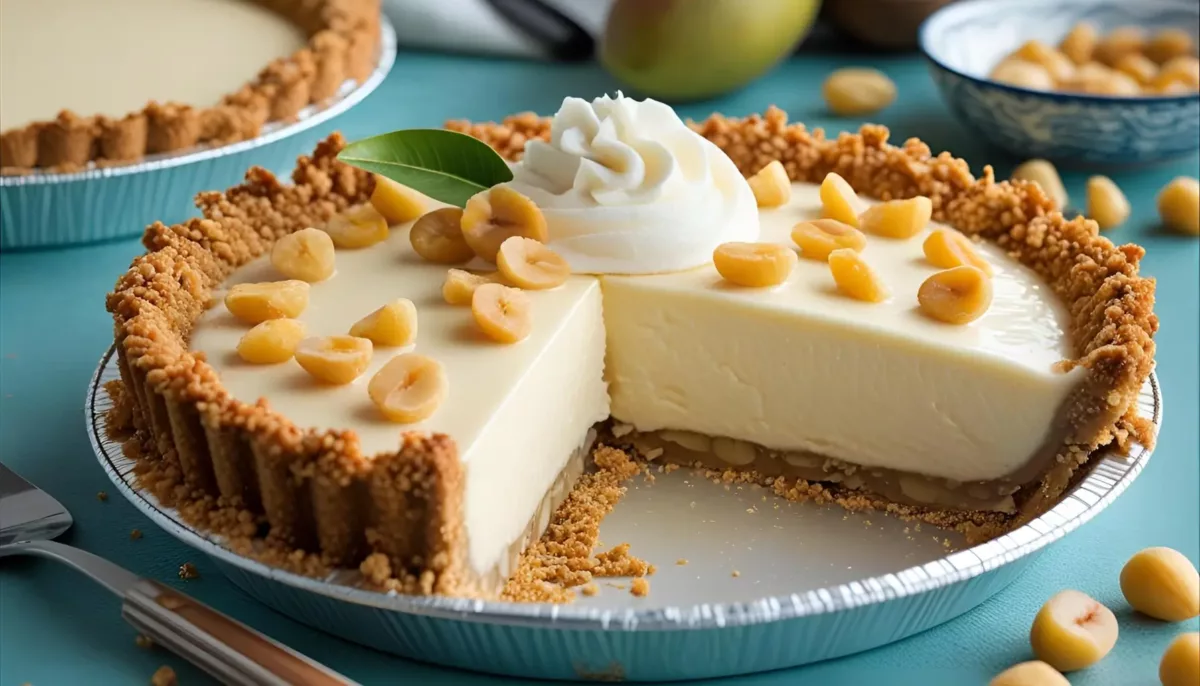
No vegetarian tour is complete without indulging in local vegan desserts. Hawaiian markets are bustling with tropical fruits like papaya, mango, and pineapple—perfect for smoothies, pies, or enjoyed as they are. A top pick is the chilled coconut pudding known as haupia; it’s divinely refreshing and creamy.
Ready to bring a taste of Hawaii into your kitchen? Try this simple Vegan Mango Bread recipe using local flavors:
Ingredients:
- 1 ripe mango, peeled and chopped
- 1 3/4 cups (225g) all-purpose flour
- 1/2 teaspoon (2.5g) baking soda
- 1/4 teaspoon (1.25g) salt
- 1/3 cup (80ml) coconut oil, melted
- 1/2 cup (100g) coconut sugar
- 1/4 cup (60ml) coconut milk
- 1 teaspoon (5ml) vanilla extract
- 1/2 cup (50g) shredded coconut
Instructions:
1. Preheat your oven to 350°F (177°C).
2. Mix the dry ingredients together.
3. Stir in the wet ingredients until well combined.
4. Fold in the chopped mango and shredded coconut.
5. Pour the batter into a greased loaf pan and bake for about 55 minutes.
Each bite of this bread is like a slice of Hawaiian heaven! Enjoy exploring the islands through their flavors and remember, each dish and fruit you sample is a chapter in Hawaii’s rich cultural tapestry. Dive in and taste the diversity, one bite at a time!
If you enjoyed this article or have suggestions on how we can improve it, please leave us a comment below. Also, make sure to check out other articles I’ve created or stories I’ve written about food culture – here.