Food
Food 
Exploring the Roots of Swiss Chard and Its Nutritional Value
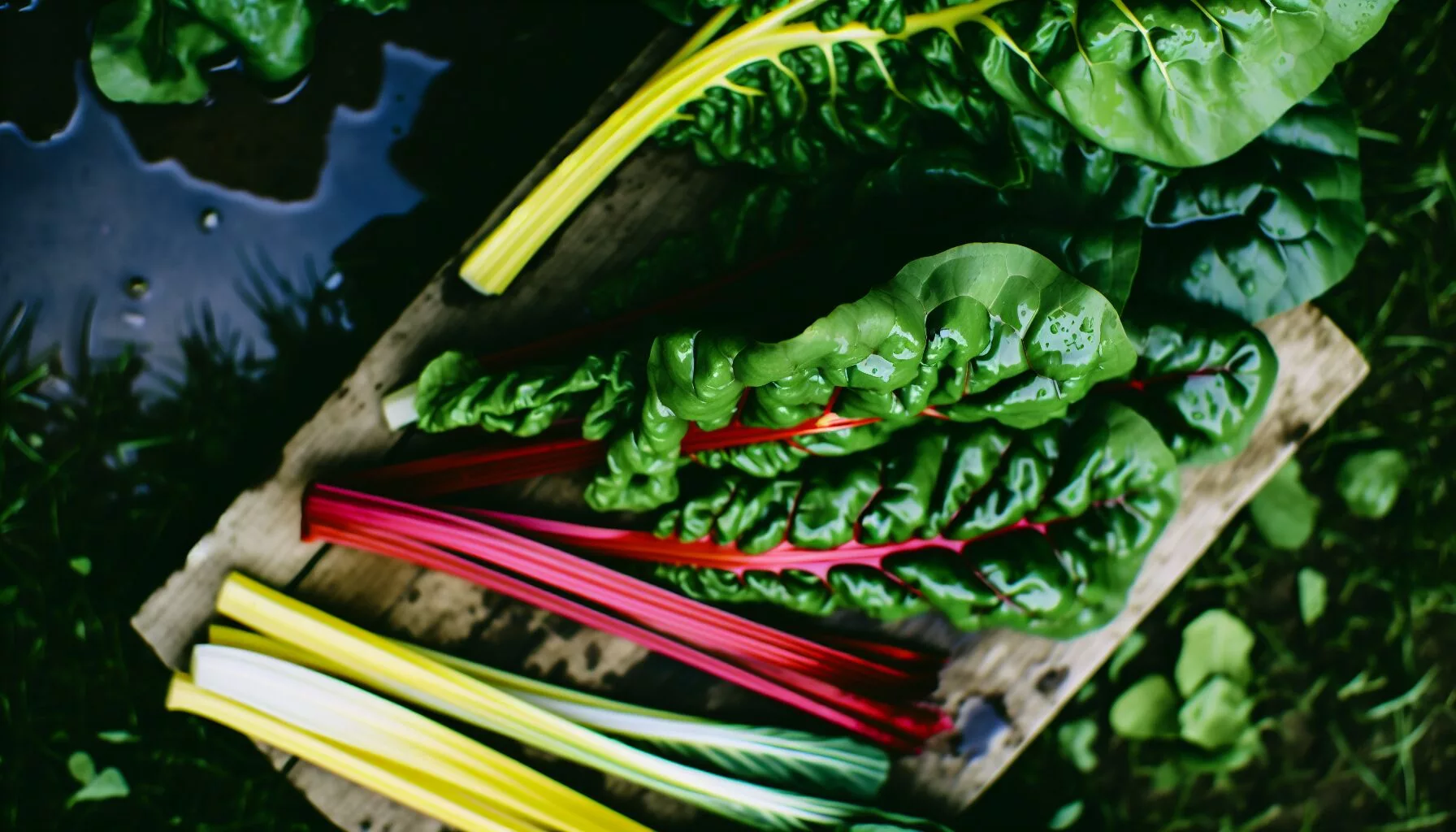
Swiss chard, known for its vibrant leaves and robust stalks, is more than a pretty face in the world of leafy greens. Hailing from the Mediterranean, this vegetable has become a staple in diverse kitchens, cherished not only for its versatility and flavor but also for its impressive nutritional benefits. Packed with vitamins A, C, and K, and loaded with minerals like magnesium, iron, and potassium, Swiss chard stands out as a health powerhouse, particularly beneficial for those embracing a plant-based lifestyle. The high fiber content further aids digestion, supporting a well-rounded vegan diet.
My adventure with Swiss chard started during my travels in Southern France, where its use in local cuisine captivated me. Often paired with heartwarming stews and hearty pasta, it inspired me to incorporate this leafy green into my dishes. The earthy flavor and colorful presence make Swiss chard an invaluable addition to vegan meals, increasing both the nutritional value and visual appeal of any dish.
Why White Beans are a Vegan Powerhouse
Anyone with a plant-based pantry likely holds white beans in high esteem. Known for their neutral flavor and creamy texture, these beans are a culinary chameleon, adept at enhancing everything from soups to casseroles. Their impressive profile of protein, fiber, antioxidants, and essential minerals like iron, magnesium, and zinc establish white beans as a formidable meat alternative for vegans.
Among the varieties, including cannellini, navy, and great northern, cannellini beans are my top pick for casseroles. Their larger size and richer flavor allow them to hold their structure while beautifully absorbing surrounding flavors. Integrating white beans into your vegan creations not only boosts protein levels but also enriches the dish’s heartiness and depth of flavor.
Creating the Perfect Swiss Chard and White Bean Casserole
Embrace a culinary masterpiece in your kitchen with this Swiss Chard and White Bean Casserole. Here’s what you’ll need and how to whip up this cozy winter dish:

Swiss Chard and White Bean Casserole
Ingredients
- 2 tablespoons 30 ml olive oil
- 1 large onion chopped
- 2 garlic cloves minced
- 1 bunch Swiss chard stems removed and leaves chopped
- 1 teaspoon dried thyme
- 1/2 teaspoon smoked paprika
- Salt to taste
- Black pepper to taste
- 2 cans 15 oz / 425 g each white beans, drained and rinsed
- 1 cup 240 ml vegetable broth
- 1/2 cup 120 ml vegan cream
- 1 cup 100 g vegan cheese, grated
- 1/2 cup 50 g breadcrumbs
Instructions
- Preheat the oven to 375°F (190°C).
- Heat the olive oil in a large skillet over medium heat. Add the chopped onion and minced garlic and sauté for 4–5 minutes, until translucent and fragrant.
- Add the chopped Swiss chard, dried thyme, smoked paprika, salt, and black pepper. Cook for 3–4 minutes, until the chard has wilted.
- Stir in the white beans, vegetable broth, and vegan cream. Bring to a gentle simmer and cook for 5 minutes.
- Transfer the mixture to a lightly greased baking dish and spread evenly.
- Sprinkle the grated vegan cheese evenly over the top, followed by the breadcrumbs.
- Bake for 25 minutes, or until the top is golden and crispy.
- Let cool slightly before serving.
Notes
Nutrition
Serving and Pairing Your Casserole
When serving this Swiss Chard and White Bean Casserole, consider what complements its creamy richness. A crisp green salad with a light vinaigrette or steamed green beans with a dash of lemon are perfect to balance the hearty flavors. For a heartier side, try quinoa or a crusty slice of vegan garlic bread.
For presentation, garnish the casserole with fresh herbs like parsley or basil to introduce a pop of color and a burst of freshness. If hosting, present the casserole in a vibrant dish to contrast its golden-brown top, making your dining table both inviting and visually appealing. This dish is ideal for winter gatherings, offering a comforting blend of flavors that feels like a warm, flavorful hug.

If you enjoyed this recipe or have suggestions on how we can improve it, please leave us a comment below. Also, make sure to check out other dishes I’ve created or stories I’ve written about food culture – here.