Food
Food 

Exploring the Basics of Fermentation: Why Fermented Foods Are a Winter Wellness Staple
Ah, winter! When the air turns crisp and our bodies crave extra warmth and nutrients to fend off the cold. This is where fermented foods swoop in, like superheroes in the nutritional universe. You’re probably more familiar with these than you think—think tangy kimchi, robust sauerkraut, and creamy natural soy yogurt. These goodies undergo a magical transformation where natural bacteria munch on sugars and starches, producing lactic acid. This not only preserves these foods but also creates a powerhouse of beneficial enzymes, B-vitamins, Omega-3 fatty acids, and a variety of probiotics.
So, why the big deal during winter? During these colder months, our gut health often takes a hit due to less physical activity and more “comfort food” choices. A diet rich in fermented foods boosts the diversity and abundance of our gut’s good bacteria. This aids in better digestion and overall health, helping our bodies absorb nutrients more efficiently and fight off seasonal bugs.
ADVERTISEMENT

Incorporating Seasonal Whole Foods into Your Vegan Diet: What’s Fresh in Winter
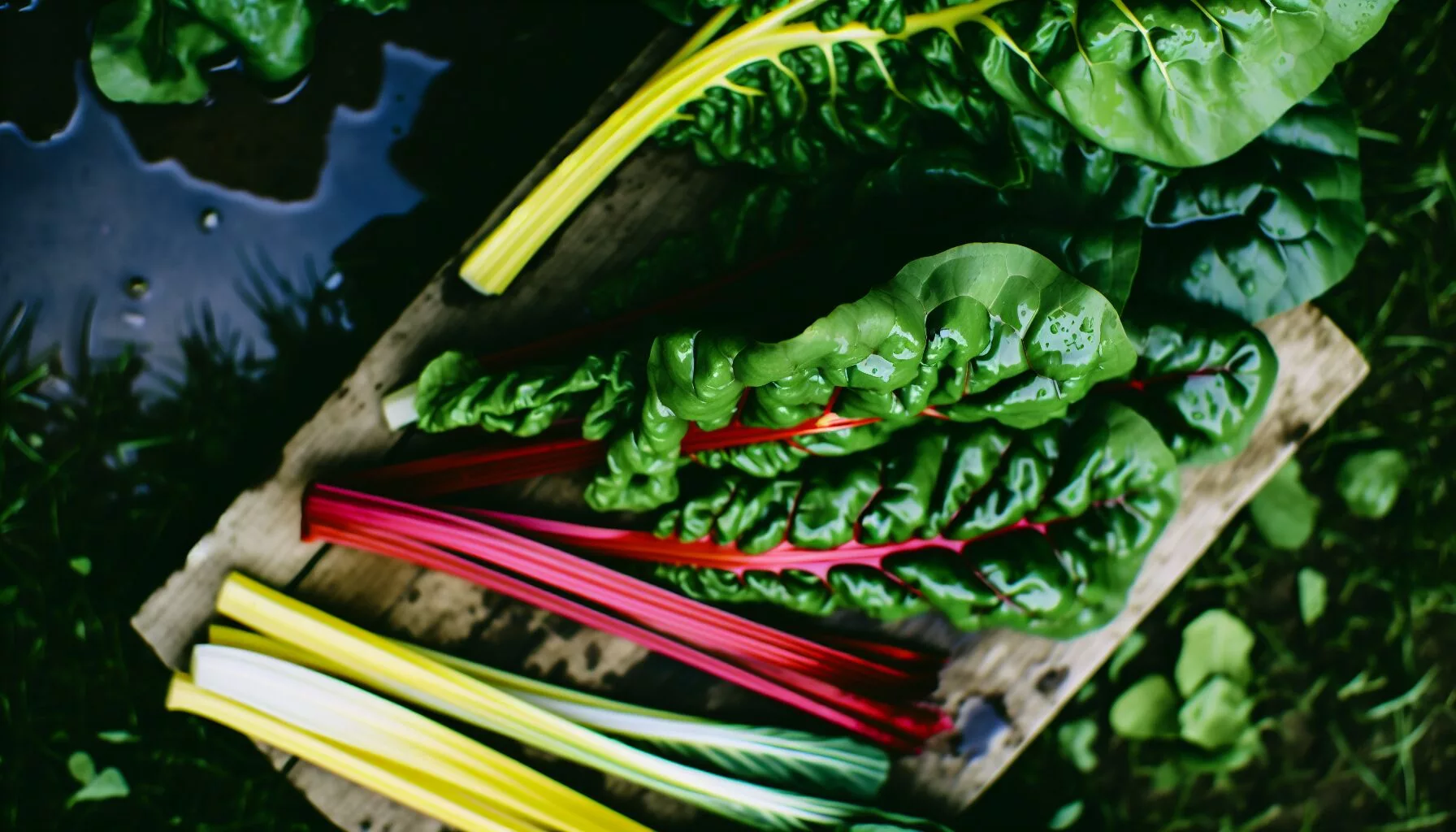
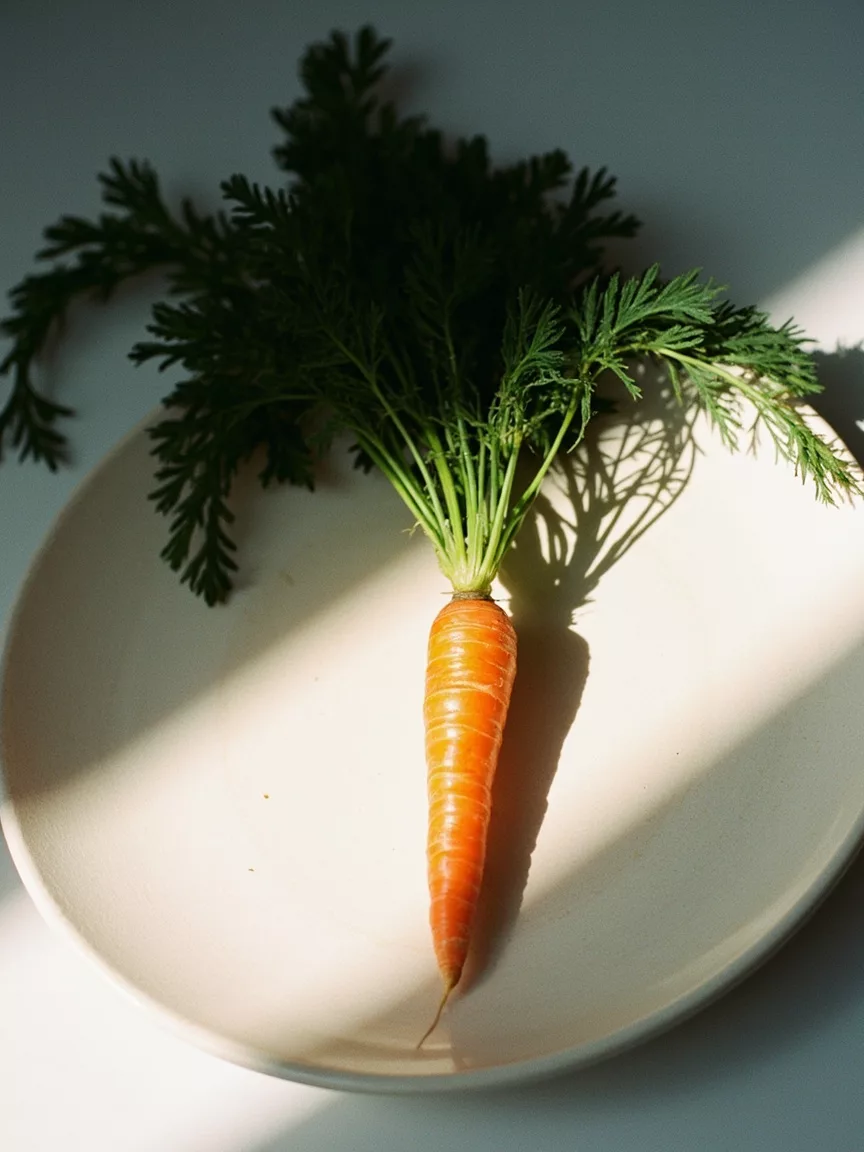
Winter might not seem like the bounty season for fresh produce, but it surprises us with some robust contenders. Think earthy root vegetables—carrots, turnips, and beets—flourishing in the chill. They’re just perfect for roasting or blending into warm, velvety soups, serving as ideal bases for those zesty ferments you love. Then there are the dark leafy greens like kale, chard, and collards; they embrace the frost and even sweeten up, adding a lovely green zest to your fermented concoctions.
Imagine the culinary delights you can whip up—roasted beet and sauerkraut salad or a kale and kimchi stir-fry, anyone? Mixing these seasonal gems with fermented foods not only keeps your gut happy but also tickles your taste buds with rich flavors, ensuring your winter meals are both hearty and health-friendly.
Step-by-Step Recipes for Gut-friendly Vegan Dishes: Fermented Soups and Hearty Stews
Ready to get cozy and creative in the kitchen? Let’s dive into one of my favorite wintertime comforts—the Vegan Kimchi Stew. Here’s your guide to whipping up this soul-warming dish:

Vegan Kimchi Stew
Ingredients
- 1 tablespoon 15 ml sesame oil
- 1 cup 130 g mushrooms, sliced
- 2 cups 470 ml vegan kimchi, chopped
- 4 cups 950 ml vegetable broth
- 1 block 14 oz / 400 g firm tofu, cubed
- 2 tablespoons 30 ml soy sauce or tamari
- 1 teaspoon sugar optional, depending on kimchi
- Salt to taste
- Black pepper to taste
- 2 green onions chopped, for garnish
Instructions
- Heat the sesame oil in a large pot over medium heat.
- Add the sliced mushrooms and sauté for 3–4 minutes, until they begin to soften.
- Pour in the vegetable broth and bring to a gentle simmer.
- Stir in the chopped kimchi, cubed tofu, and soy sauce. If your kimchi is not very sweet, add the optional teaspoon of sugar to balance the flavors.
- Simmer the stew for about 20 minutes, allowing the flavors to meld.
- Taste and season with salt and black pepper as needed.
- Serve hot, garnished with chopped green onions.
Notes
Nutrition
This stew is not just a treat to your taste buds but also a probiotic powerhouse thanks to the kimchi, paired with the protein-rich tofu, and the nutrient-dense mushrooms and green onions.
Maximizing Nutritional Benefits: Tips for Cooking and Combining Fermented Foods and Whole Foods in Your Meals
To harness the full potential of fermented foods alongside seasonal whole foods, consider the timing and combination of ingredients. A pro tip: Add fermented elements towards the end of your cooking to preserve their probiotic integrity and enzyme content. For instance, if you’re stirring up a soup or stew, fold in your kimchi or sauerkraut just before taking the dish off the stove.
Also, balancing flavors is crucial since fermented foods often bring a strong tang. Pair them with grounding, earthy flavors from root veggies or mild proteins like tofu to harmonize the dish. And don’t shy away from color—more hues not only make your dishes visually appealing but also pack a wider spectrum of nutrients, making your meals a true feast for the eyes and a boon for your gut health. Happy cooking, and stay cozy and nourished this winter!
If you enjoyed this recipe or have suggestions on how we can improve it, please leave us a comment below. Also, make sure to check out other dishes I’ve created or stories I’ve written about food culture – here.